Hotel AI Booking Systems: 5 Winning Case Studies
IHG handled 5.1M AI conversations. Hyatt lifted booking conversions. See what five hotel chains actually measured from AI rollouts and what it means for your stay.


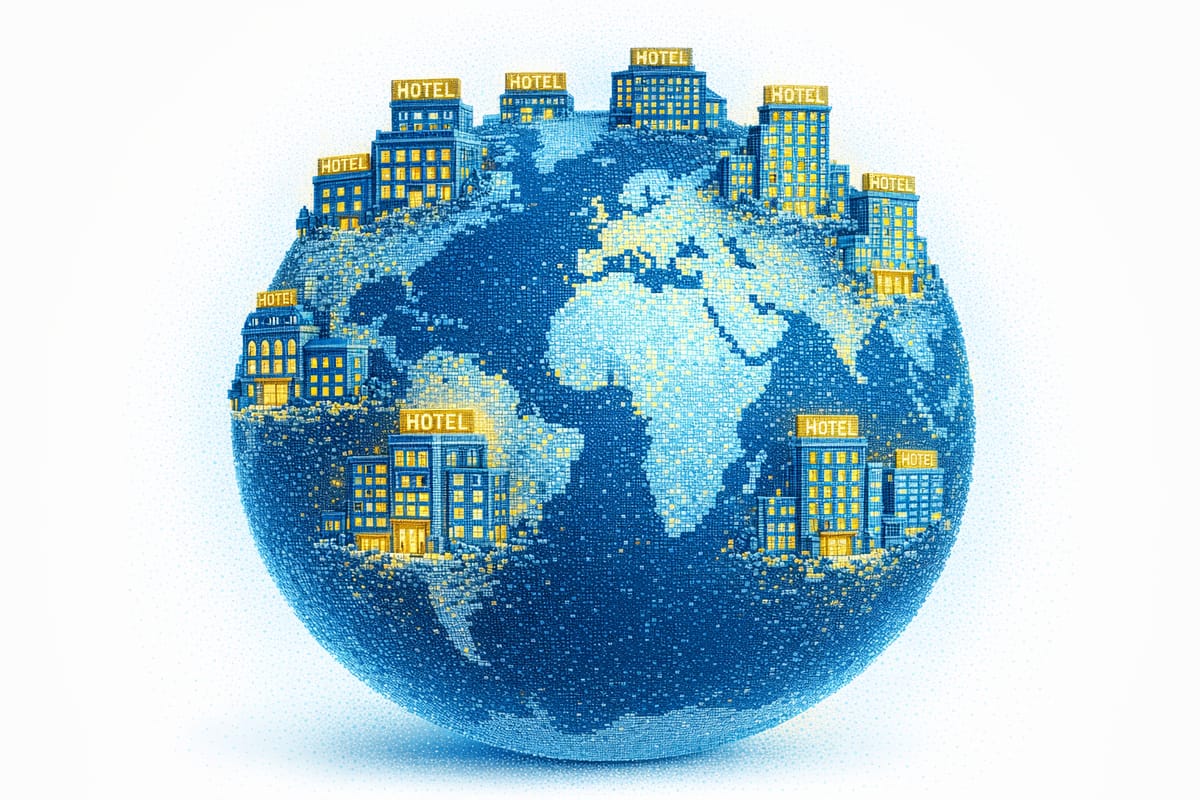
Hotel AI booking systems keep promising personalization, but most business travelers who book their own trips still get the same generic flow every time. Loyalty numbers that don't attach. Rooms that don't match the request. Check-in lines slower than TSA.
That's starting to change, and a few chains have the numbers to prove it. These five case studies break down what each brand deployed, the verified results it shared, and how those results stack up against the usual vague promises. You'll walk away knowing which hotel chains are actually changing the booking experience and which ones are still just talking about it.
Five Hotel AI Booking Systems With Measurable Results
Each of these rollouts comes with publicly shared numbers, not just press releases. Here's what five hotel brands deployed, what the data shows, and what it means for the way you book.
IHG: An AI Chatbot Handling Millions of Conversations
IHG Hotels & Resorts runs one of the few AI-powered hotel booking rollouts with numbers you can actually verify. The chain sent 12 million messages to guests in 2024, an 84% spike from the prior year, while its AI chatbot continued to scale across Holiday Inn, Crowne Plaza, Kimpton, and the rest of IHG's portfolio.
More messaging means more chances to pick up your preferences and loyalty status before you arrive, not after you complain at the front desk. That same pain point shows up in loyalty tracking and travel preferences more broadly, because repeated re-entry is usually where things start to break. That's the problem Otto the Agent solves from the booking side. Otto stores your loyalty numbers and hotel preferences and auto-attaches them to supported bookings, so your details carry over without manual re-entry each trip.
IHG is also restructuring its hotel data so booking tools can actually read it. For frequent travelers, this is the part that matters most. When hotel details and traveler preferences sit in a format these tools can pull from, the reservation flow has a better shot at recognizing what you asked for instead of forcing you to start over each trip.
Hyatt: Natural Language Hotel Search That Actually Converts
Hyatt rebuilt its website search around AI, and the bet is paying off. The chain now has multi-quarter data showing that booking conversion rates and total revenue from native search are up.
The reason is simple: Hyatt figured out that guests wanted to search the way they talk, not click through city, state, and date dropdowns. You can type something closer to how you'd ask a colleague for a hotel recommendation. If you've compared booking engines or looked at AI assistants, this is the difference between typing a real request and filling out another rigid form.
That same AI push extends beyond guest-facing search. Hyatt's group sales teams got faster after deploying AI tools, which means quicker response times when you're booking group blocks or coordinating team stays and less back-and-forth on your end.
Wyndham: AI Voice Across 5,000+ Properties
Wyndham Hotels partnered with Canary Technologies to deploy an AI voice tool, Wyndham Connect Plus, across more than 5,000 properties. The system handles hundreds of thousands of guest calls, and public numbers tied the rollout to direct booking conversion gains for franchisees.
That scale matters because Wyndham is already using automated voice across thousands of hotels, not testing it at a handful of properties. The early conversion results are why the company has now directed more than $425 million in total AI investment and is working with Google and Anthropic on intelligent booking and service systems that go well beyond basic call handling.
Hilton: 41 AI Use Cases and an AI Trip Planner
Hilton is testing 41 AI use cases across operations, guest experiences, and cost savings. The chain has deployed mobile messaging across thousands of properties and launched an AI trip planner in beta that generates personalized hotel suggestions through conversational prompts. Smart messaging at that scale matters because many small and midsize business travelers book for themselves. That's exactly where personalization inside self-booking tools hits hardest.
IHG: Attribute-Based Upsells at Scale
IHG is also using AI-driven merchandising beyond the initial reservation flow. Its attribute-based upsells are expanding across eligible inventory, offering options like higher floors, better views, and bigger rooms with variation by property tier. For business travelers, that means the offers showing up before check-in are tied to room features you might actually pay for, not generic add-ons. That matters when you're weighing hotel factors or comparing hotel loyalty programs, because a better floor or larger room can be the difference between a workable stay and a rough one.
What These AI Hotel Deployments Mean for Your Next Stay
The pattern is simple: the hotels that can prove AI results are the ones that measured before they rolled anything out. That gives you a way to tell whether the booking experience actually changed. A lot of hotel booking technology still shows up as press releases and pilots, with little proof that anything got easier for travelers.
If you book your own trips, three patterns from these case studies matter most:
- IHG's chatbot and messaging numbers show that measured rollouts beat vague claims, because they prove whether a chain is actually changing the booking experience or just making promises.
- Hyatt's search rebuild shows that natural-language input matters when you want to type what you need instead of rebuilding the same filters every trip. Conversion gains followed because guests could describe what they wanted instead of clicking through rigid forms.
- Wyndham's voice deployment, Hilton's mobile messaging, and IHG's upsell system show that the tools closest to your booking moment matter most when they surface your loyalty details and room preferences before arrival, not after.
Watch for chains that publish real booking or conversion numbers. Those are the brands most likely to keep investing in conversational search, pre-arrival messaging, and reservation tools that complete bookings with your details already attached. That gap helps explain why your loyalty number still doesn't attach sometimes, even at a chain investing heavily in AI.
Hotels that get personalization right keep your business. Hotels that don't lose it to whichever booking tool actually remembers your preferences. These five case studies show which chains are closest to delivering on that promise, and which still have work to do.
Keep Your Hotel Preferences Attached
The gap is clearer once you see the numbers. A few hotel brands are measuring real gains in search, messaging, voice, and upsells, but many properties still can't keep your loyalty details and room preferences attached from booking through check-in.
That's where Otto fits. Otto stores your loyalty numbers and hotel preferences and auto-attaches them to supported hotel bookings, so you spend less time re-entering details on each trip.
Sign up for Otto to keep your loyalty numbers and hotel preferences attached on every supported booking.
FAQ
Are hotel AI booking systems actually improving the guest experience right now?
At the leading chains, yes. IHG and Hyatt both have investor-verified data showing gains in guest engagement and booking conversion after deploying AI. But results still vary dramatically between brands and individual properties.
Which hotel chains are furthest ahead with AI booking technology?
IHG and Hyatt have the most publicly documented results. Wyndham has deployed AI voice across thousands of properties with confirmed conversion gains. Hilton is running 41 AI experiments but hasn't disclosed specific booking conversion numbers yet.
How can I keep my loyalty number from getting lost during hotel booking?
If hotel systems fail to match your loyalty profile to a reservation, Otto auto-attaches your stored loyalty numbers and preferences to supported bookings, so nothing gets dropped between trips.
Do AI upsell systems at hotels actually benefit business travelers?
They can. IHG's attribute-based upsells are expanding across eligible inventory, surfacing options like higher floors and bigger rooms by property tier. That means more relevant upgrade offers reaching you before check-in rather than generic add-ons at the front desk.
How widespread is AI adoption across the hotel industry?
AI adoption is broad, but meaningful implementation is still uneven heading into 2026. The gap between what hotels claim and what actually remembers your loyalty number, room choices, and booking history from one trip to the next remains wide.