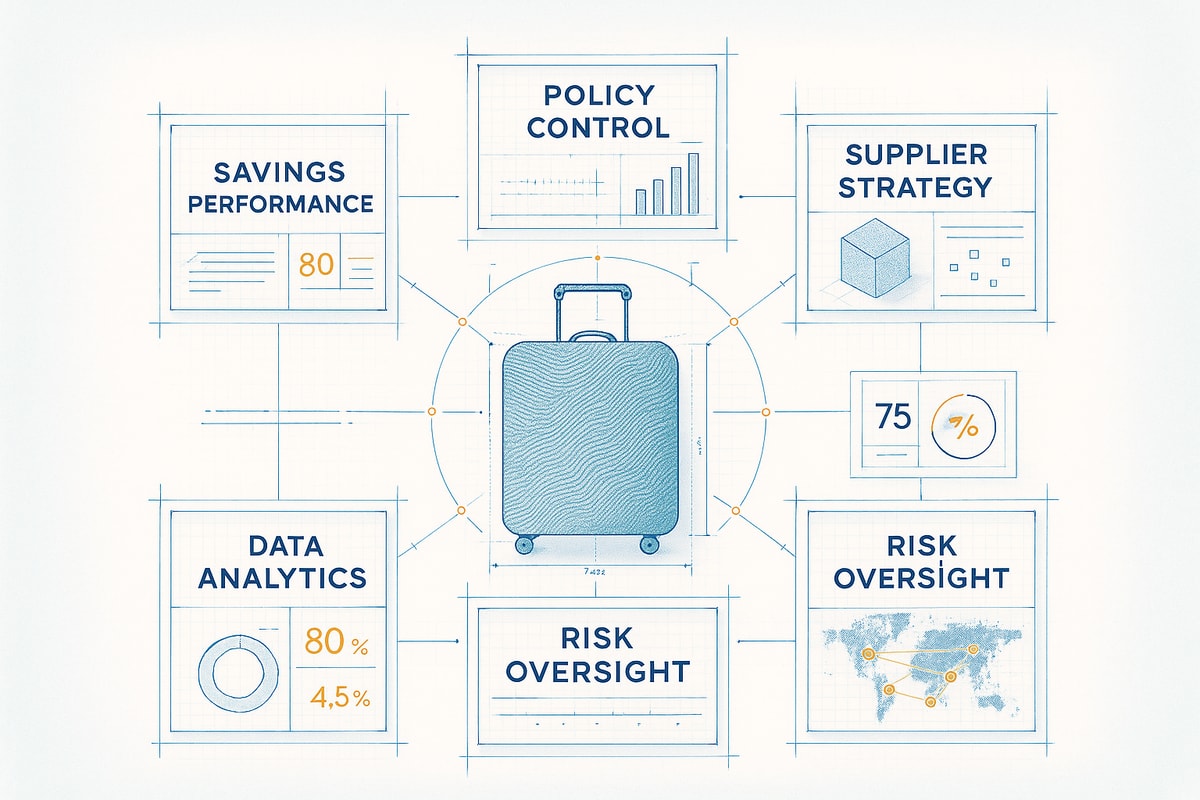
How to Score Cheap Business Class Flights
Book 60-120 days ahead, use Otto to avoid re-entering preferences, understand fare classes, and maximize credit card points for affordable business class.


You just searched business class to London and the fares are $4,800 round trip. You know those lie-flat seats and lounge access would make the red-eye bearable, but that price tag means a conversation with finance you'd rather skip. The problem isn't that business class is expensive. It's that most travelers don't know the strategies that cut those fares significantly without sacrificing flexibility when client meetings shift.
This guide covers five approaches to booking affordable business class. You'll walk away knowing when to book, which fares give you change flexibility, and how to stop paying full price for premium cabins.
1. Book 60-120 Days (2-4 Months) in Advance for Best Pricing and Availability
The sweet spot for business class flights is 60-120 days (2-4 months) before departure. This window balances price, availability, and cabin configuration options better than both ultra-early booking (11+ months) and last-minute purchases.
CNBC Select confirms this timing, putting the prime booking window at 21 to 121 days in advance, with international flights best priced around 60 days out.
Why this window works: Airline pricing algorithms reprice premium cabins multiple times daily based on booking velocity, competitive pricing, remaining inventory, and seasonal demand. Book too early (11+ months out) and you'll pay initial release premiums that typically drop as departure approaches. Book too late and you'll face limited availability and peak pricing. The 60-120 day window catches prices after initial premiums drop but before last-minute scarcity kicks in.
Once you're inside that window, focus on your departure day rather than obsessing over when to click "book." Business class fares drop for mid-week travel, with Tuesday and Wednesday departures typically priced below Sunday and Friday flights. If your client meetings allow flexibility, those two days deliver stronger value. Seasonal patterns matter too. January and April generally offer better rates than peak December and July travel periods.
2. Tell Otto What You Need and Skip the Re-Entering
Every booking site makes you start from scratch: enter your United MileagePlus number, check if the fare class qualifies for upgrades with your Gold status, calculate how many miles you'll earn, then repeat the whole process on Delta's site, then American's. By the third search, you're copying and pasting frequent flyer numbers from a notes app.
Otto the Agent stores your loyalty numbers once and learns what you prefer. Tell Otto you need business class to London in March for client meetings. Otto presents 2-6 options with your stored loyalty numbers already attached. British Airways books with your Executive Club number, Virgin Atlantic with your Flying Club number, United with your MileagePlus number. No re-entering credentials. No switching between airline sites.
Otto understands fare classes and provides fare-class intelligence, so when you ask about a specific flight, Otto can explain the booking class details. You see the options, pick the one that works for your schedule and budget, and Otto books it with your preferences already applied.
3. Understand Fare Classes Before You Book
Business class tickets aren't all the same. Single-letter booking codes like J, C, D, I, and Z indicate both service level and rebooking flexibility, but these codes vary by airline. Identical letter codes can mean entirely different change policies, flexibility terms, and loyalty earning rates across carriers.
If your client meetings frequently shift, paying more for higher-tier fare classes like C or J with full change privileges makes sense. For absolutely locked schedules where you won't need to change, deep discount fares maximize upfront savings. Fare basis codes vary by airline. Check the airline's specific change and cancellation terms by searching the complete fare basis code plus the airline name.
Deeply discounted fares also carry hidden costs: reduced upgrade eligibility. Bottom-tier business fares often can't upgrade to first class, while mid-tier fares typically keep those upgrade paths open.
4. Use Corporate Programs and Credit Card Points
The American Express Business Platinum currently offers a welcome bonus of 200,000 Membership Rewards points after spending $20,000 in eligible purchases within the first 3 months. For businesses meeting that threshold, this represents one of the highest welcome bonuses available for travel points.
The real value comes from smart transfers to airline partners. Compare transfer rates across programs like Virgin Atlantic, Air Canada Aeroplan, and British Airways to find the best redemption for your specific route. Transferring 70,000 Amex points to Virgin Atlantic for a transatlantic business class seat often beats using 85,000 United miles for the same flight.
Transfer partner programs typically beat using points for statement credits. Air Canada Aeroplan points offer strong value on Air Canada economy flights, with even stronger value on premium cabin awards through partner airlines. Run the transfer math for your specific route before booking.
5. Consider Alternative Booking Methods
Positioning flights exploit geographic pricing disparities. Book a cheap domestic flight to a major hub like JFK or LAX, then start your international journey from that hub where competition drives down premium cabin pricing. The tradeoff: added travel time and connection risk if not booked as a single ticket.
If you'd rather not add complexity to your itinerary, last-minute upgrade opportunities offer another path to business class. Airlines release upgrades through mobile apps (typically 24-72 hours before departure), points-based systems using frequent flyer miles, and competitive bidding platforms when premium seats remain unsold. This strategy works best when you purchase refundable economy tickets as baseline protection, knowing that upgrade availability depends on unsold inventory.
Both approaches require more active management than standard booking. If you're weighing the tradeoffs, self-booking tools give you flexibility to pursue these strategies, while traditional travel management companies may offer more hands-off corporate travel savings through negotiated rates.
Book Business Class Without the Time Investment
Business class doesn't have to mean $4,800 fares or hours of comparison shopping. The strategies in this guide work together: book in that 60-120 day window, choose Tuesday or Wednesday departures when your schedule allows, pick fare classes that match your need for flexibility, and run the transfer math on your credit card points before booking.
Otto handles the execution. Tell Otto what you need, and you'll see curated options with your preferences already attached. You pick the flight, Otto books it.
Try Otto for free to book business class in minutes and walk into your next meeting ready to close the deal.
FAQ
What's the cheapest day to fly business class? (It's not what you think)
Tuesday and Wednesday departures deliver lower business class fares than Sunday and Friday flights. However, the day you book has minimal impact on business class prices since airlines adjust pricing multiple times daily based on real-time demand.
How far in advance should I book business class flights?
Book 60-120 days (2-4 months) before departure for the best balance of availability and pricing. This window provides stable pricing and full cabin selection without the premiums airlines charge on initial release 11 months out.
How can I avoid manually searching multiple sites and re-entering my preferences for every booking?
You're on United's site entering your MileagePlus number, then Delta's site entering your SkyMiles number, then manually checking if that J fare qualifies for upgrades with your Gold status. Otto the Agent stores your loyalty numbers once and learns your preferences. Tell Otto you need to fly Chicago to London in March for client meetings. Otto presents options with your stored loyalty numbers already attached. You see the flights, pick the one that works, and Otto books it. No re-entering frequent flyer numbers across multiple sites.
Is premium economy a better value than discounted business class?
Premium economy costs 50%+ less than business class while offering enhanced comfort, making it attractive for shorter flights or budget-conscious travel. However, premium economy typically lacks lie-flat seats, premium dining, and the same rebooking flexibility as mid-tier business fares. For overnight flights or trips where you need to work effectively or arrive sharp for important meetings, business class delivers much more value despite the higher cost.
Are there pricing mistakes or error fares that can lead to cheap business class flights?
Error fares happen when airlines accidentally list flights at wrong prices due to technical glitches or data entry mistakes. These deals disappear within hours and airlines sometimes cancel bookings rather than honor them. Error fares can include business class, but they're too unpredictable to count on as a booking strategy.