8 Corporate Travel Trends Reshaping 2026 Business Trips
Eight corporate travel trends reshaping business trips in 2026, from agentic AI and NDC fares to carbon budgets and post-booking upgrade alerts.


Updated May 2026
Your Tuesday client meeting just got pushed to Wednesday. The flight you booked three weeks ago no longer works, and your booking site won't show you the NDC-only fare bundle your airline added last week. Self-booked business travel in 2026 comes with more moving parts than it used to, and most road warrior tools haven't caught up. Otto the Agent puts flight and hotel booking next to disruption response in one place, so you can see what changed and confirm a new option without starting over.
This guide covers eight corporate travel trends reshaping business trips in 2026: tighter cost controls, agentic AI, NDC fare distribution, sustainability awareness, personalization, wellness-driven duty of care, bleisure policies, and real-time disruption response, plus what's coming next. You'll get the data and practical context to book smarter, stay compliant, and keep moving when the unexpected hits.
Key Corporate Travel Trends for 2026
Business travel is still growing. Global business travel spending will hit $1.69 trillion in 2026, up 8.1% year over year, and corporate budgets are projected to rise 5% globally, with European companies leading the expansion at 5.8%. Your day-to-day booking experience still feels tighter than it used to. Cost pressure, safety concerns, and policy complexity now shape more of the choices you see. That means more policy checks, more fare restrictions, and a stronger case for booking tools that surface compliant options up front.
1. Agentic AI Takes Over Booking and Servicing
More than half of US travelers (56%) now use AI travel assistants for at least one trip a year because they take over the repetitive work that used to eat into your day. The 2026 shift is from search-and-suggest tools to agentic AI that acts on your behalf: identifying disruptions, evaluating options, and initiating solutions without manual prompts.
These agents track flights in real time, flag whether an option is within policy or out of policy with an explanation, and surface alternatives when disruptions hit. The most useful ones remember your preferences without forcing you through long setup steps. They learn which airlines you fly, which seat you pick, and which hotels you book in cities you visit regularly.
Otto fits this pattern as an agentic assistant that remembers preferences from past bookings and applies them automatically the next time you search, so your fifth trip doesn't start with the same form fields as your first.
2. Cost Controls and Policy Upgrades
Your booking screen is doing more work than it used to. Companies now track costs per trip, per traveler, and per department, and the controls land right where you book. The most useful tools ingest your company's policy and show "within policy" or "out of policy" with an explanation, plus per-night caps and fare class limits, before you confirm.
That up-front visibility matters more this year because event-driven rate spikes are hitting harder than usual. The 2026 FIFA World Cup is wrecking hotel rates across host cities in the US, Canada, and Mexico from June 11 through July 19. Daily rates are up 21% to 72% in opening-match and final markets, and inventory tightens fast as teams advance. Booking a routine trip into Los Angeles, New York, Dallas, or Miami this summer? Your normal per-night cap probably won't match what's available, and finding out at the expense report stage is too late.
Booking tools that auto-attach payment information, store loyalty numbers, and produce expense-ready receipts cut the back-and-forth between booking, finance, and reimbursement. The result is fewer surprises for you and cleaner travel expenses for finance.
3. NDC and Dynamic Pricing
New Distribution Capability is changing which fares you see and which ones you don't. Airlines now sell customized bundles directly through NDC connections, packaging Wi-Fi, seating, and baggage into business-appropriate options that older booking channels couldn't show. If your booking tool doesn't support NDC content, you're comparing prices against an incomplete set of fares.
The fix is straightforward: use booking tools that pull NDC content alongside traditional GDS fares in a single search, so you can compare more options in one place instead of checking airline websites separately. For more context, this guide to self-booking tools shows how these distribution differences affect day-to-day booking.
4. Duty of Care and Traveler Wellness
Wellness used to mean a hotel gym. Now it's woven into duty of care policies, because companies have noticed that travelers who arrive wrecked don't perform. With 84% of US consumers ranking wellness as a "top" or "important" priority, sleep-focused hotels and quieter properties now factor into the booking decision the same way price and location do. Policies increasingly steer you toward hotels with blackout rooms, white-noise machines, and in-room workspaces.
The practical shift for you is that your preferences carry weight. A booking tool that remembers you prefer a quiet room near the meeting venue, or a property with a desk you can actually work at, surfaces those options instead of burying them under cheaper rooms you'd never pick.
5. Sustainability and Carbon Reporting
Sustainability is now part of the booking conversation. Companies increasingly weigh sustainable aviation fuel availability, hotel environmental certifications, and direct flights over cheaper connections when setting policy.
Here's how that lands when you book:
- Your company may flag lower-impact options before approval
- Rail options may appear alongside flights for shorter regional routes
- Hotel options get weighed on environmental performance, not just price and location
- Direct flights may get prioritized in policy guidance
The shift adds sustainability to the list of constraints to weigh alongside price, timing, and policy, which makes a booking tool that filters all of those constraints in one search even more valuable. For practical ways this shows up on the flight side, here are nine ways to cut flight emissions.
6. Personalization and Traveler Experience
Business travelers now expect booking tools that know their preferences, not just their budgets. Personalization in 2026 isn't a luxury feature reserved for enterprise programs. Frequent flyers at growing companies want systems that remember their loyalty details, apply them during booking, and show fare-class information before they confirm a trip.
NDC drives part of this by letting airlines create customized offers based on traveler profiles, and AI tools match those offers to individual preferences without forcing you through a long setup process. The result is a booking experience where your fifth trip to Chicago looks different from a colleague's, because the system knows you prefer Marriott properties near the Loop and always fly Delta out of your home airport. Loyalty tracking is one of the clearest signs of where booking is headed, and this guide covers what to look for.
7. Blended Travel and Dynamic Policies
Bleisure isn't a perk anymore. 83% of business travelers took one in the past year, and most companies have formal policies covering which nights they pay for and when duty of care coverage ends. The booking side gets easier when your tool produces clean receipts you can split between business and personal segments.
Static policies are also giving way to flexible ones that account for local pricing, event-driven rate spikes (the World Cup is the obvious 2026 example), and trip purpose. That cuts the friction pushing travelers to book outside approved channels, especially when your booking tool reads the updated policy and surfaces compliant options automatically.
Training and team travel are accelerating this shift. Two-thirds of companies say training and L&D travel spending is growing, making it the fastest-growing accelerator of corporate travel. Expect buffer days for rest and policies that support remote work around the official event.
8. Disruption Management and Traveler Safety
Weather events, labor actions, and geopolitical shifts now throw off business trips with less warning. Because of this, disruption planning is no longer optional if you're trying to protect a meeting, a training day, or a tight turnaround trip.
Geopolitical shifts also create problems beyond weather delays. Trade policy changes, visa processing changes, and government actions have pushed many companies to cancel, relocate, or rethink meetings originally planned in certain locations. For international travelers, that means longer lead times for visa processing and more last-minute itinerary changes.
The booking tools that handle this best monitor flights from the moment you book, not just after check-in. When a delay or cancellation hits, you see alternatives quickly and confirm the one that works instead of waiting on hold. Tools built for travel safety and flight alternatives shorten the scramble when a disruption hits.
What's Changing Next in Corporate Travel
A few shifts are worth watching over the next couple of years:
- Predictive disruption forecasting gets ahead of the delay. Instead of scrambling once a flight is cancelled, booking tools will read weather patterns, crew availability, and airport congestion to flag at-risk trips days out. You see the warning before the gate agent does, with backup routes already lined up.
- Carbon budgets per traveler show up in policy. Some companies are starting to hand out annual carbon allowances the same way they hand out per diems. Your booking screen shows what's left in your carbon budget next to the price, and policy nudges you toward rail or direct flights when you're close to the cap.
- New transport modes cut emissions. Electric aircraft and autonomous ground transport move from pilot programs to commercial routes, cutting carbon footprints and opening up faster connections on regional trips.
- Virtual meetings replace low-value travel. Routine check-ins and status updates shift to video. The trips that survive are the ones where being in the room matters: relationship-building, negotiations, and training that doesn't translate to a screen.
Book Smarter Through 2026's Cost Spikes and Policy Shifts
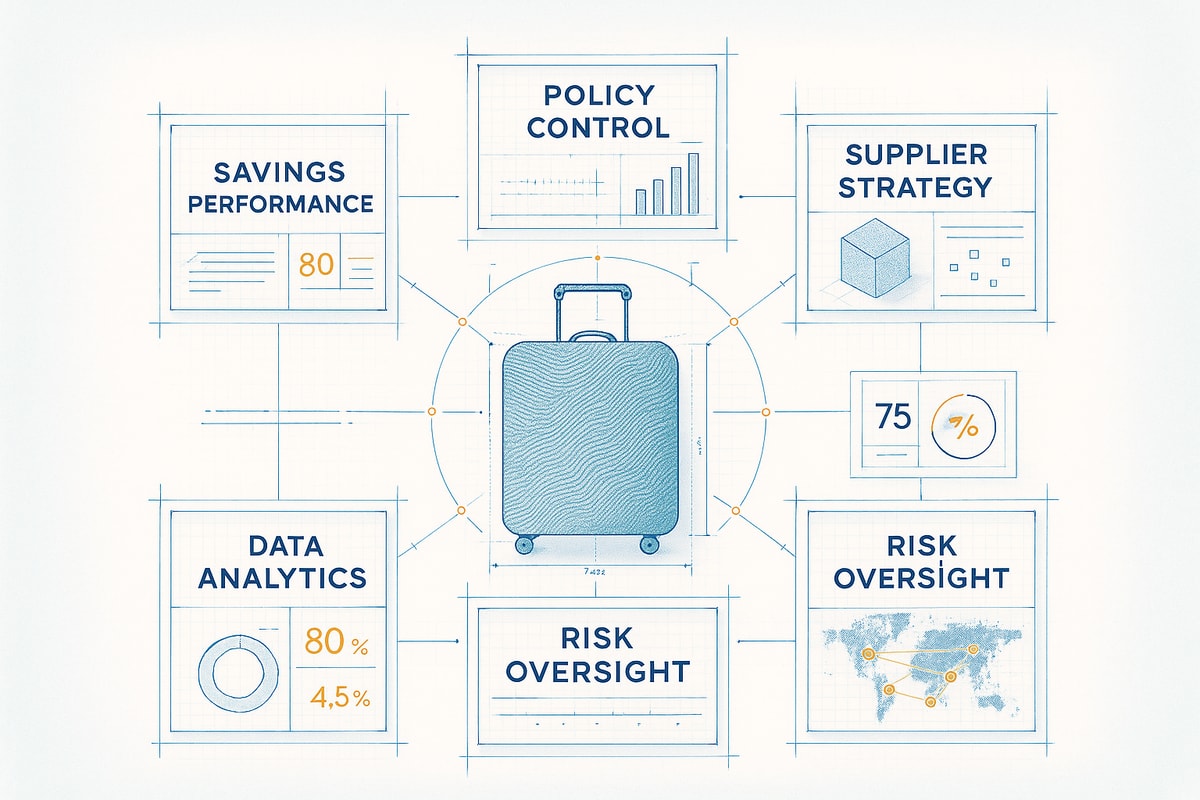
These corporate travel trends matter because self-booked business travel now has more moving parts. You need to compare more fare sources, watch policy limits more closely, and react faster when weather, labor actions, or schedule changes threaten a meeting.
That also changes what a useful booking tool needs to do. Showing flights and leaving you to sort out the rest isn't enough. You need something that remembers your preferences, shows compliant options, and monitors booked trips so you can confirm a new option quickly when plans shift. Otto keeps working after you book, watching hotel prices for drops and flagging an upgrade when a higher fare class or room category drops to or below what you paid.
Put Otto on your next trip to navigate 2026's cost spikes and policy shifts without losing time to manual checks.
FAQ
What are the biggest corporate travel trends in 2026?
The shifts cluster around three themes: real-time cost and policy controls that adjust as you book, agentic AI and NDC reshaping how fares get found and applied to your preferences, and continuous monitoring that extends from wellness and sustainability into disruption response after you book. Together they make self-booking more complex up front but more responsive when something changes mid-trip.
How is NDC changing business travel booking?
NDC lets airlines sell customized fare bundles, including Wi-Fi, seating, and baggage, directly through booking tools. If your tool doesn't support NDC, you miss fares that might be cheaper or better suited to business travel. Look for booking platforms that display NDC and traditional fares side by side.
How can I rebook quickly when my business flight gets disrupted?
The fastest option is usually a tool that monitors your trip and shows alternatives as soon as a disruption hits. Otto fits that problem by surfacing new options quickly so you can confirm the one that works instead of waiting in the standard rebooking queue.
Why is training travel growing so fast?
Hybrid work changed when teams gather in person, so companies now save trips for learning, planning, and meetings where being in the room matters more than a video call. Workshops, conferences, and team offsites take a larger share of the calendar than routine check-ins that work fine remotely.
What does bleisure mean for my company's travel policy?
Bleisure means adding personal days before or after a work trip, and most companies now have formal policies covering it rather than treating it case by case. Expect clear rules on the handoff between business and personal segments, including which nights the company covers, when duty of care coverage applies, and how the expense report gets split.