Airline Price Drop Alerts: From Manual Tracking to Automatic Rebooking
Price drop alerts stop at checkout. Learn how post-booking monitoring catches fare drops after you book and puts savings back on your card.


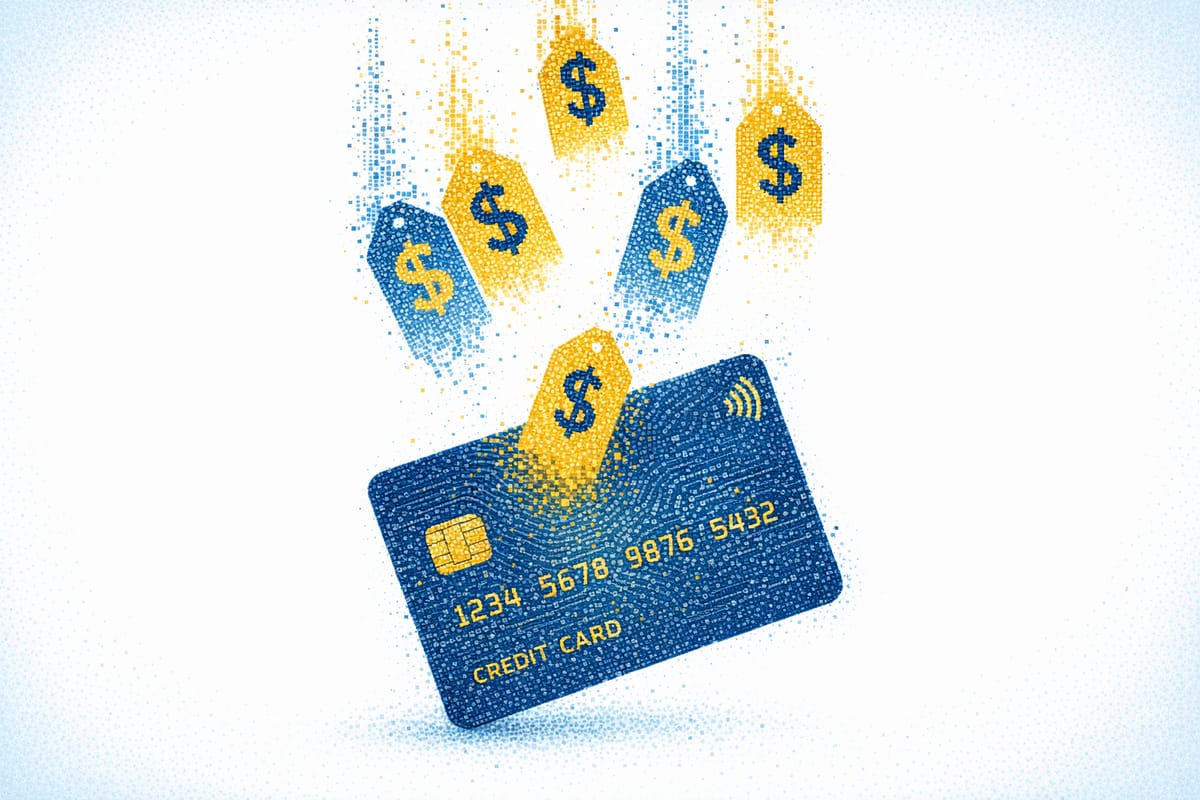
You book a refundable fare for a client trip. A colleague mentions they just saw the same route for a lot less. You check. They're right. Either no airline price drop alert caught the change, or the alert leaves you canceling and rebooking the whole thing yourself between client calls.
Airline price drop alerts have come a long way, but most flight fare trackers still dump the post-purchase work on you. This guide walks through the three stages of price drop tracking: manual checking, pre-booking alerts, and post-booking monitoring. You'll know which one recovers cash on refundable flights and hotels or lands you a no-cost cabin or room upgrade, and which one leaves you doing the work yourself.
Stage One: Manual Price Checking (And Why It Fails)
You keep reopening the airline site after booking to see if the fare dropped. It works sometimes. Something that works sometimes can’t be considered a system.
The math works against you. Airlines reprice airline prices constantly through revenue management systems that shift seats based on demand, competitor moves, and remaining inventory. Fares on U.S. itineraries change on 20% of days. A typical trip sees 12 price changes over 60 days and hits 6.8 different fares.
That movement usually happens when you can't check. Manual tracking assumes you've got idle time to refresh a fare page and the flexibility to pounce. Road warriors have neither.
Stage Two: Pre-Booking Airline Price Drop Alerts
Pre-booking alerts watch fares before you buy. They run automatically for specific routes and dates, so they solve the timing problem before checkout without making you refresh fare pages.
How pre-booking flight price alerts work
Consumer fare trackers like Google Flights and Kayak let you track a route before you book. Hopper does the same through its app. Enter the route and dates, turn tracking on, and the tool pings you when the fare moves. Google Flights sends price tracking emails, Kayak adds buy-now-or-wait signals, and Hopper pushes price-watch notifications. All of it stays before checkout.
Where pre-booking alerts stop working for business travelers
Pre-booking alerts stop at purchase. The weeks between booking and departure go unwatched unless you keep checking yourself. Even when an alert fires, you still have to decide if the drop is worth rebooking and handle the change yourself. During a full travel week, that often doesn't happen in time.
Stage Three: Post-Booking Automatic Fare Monitoring
Post-booking monitoring watches the price of your trip after you've bought it. Before paying for a third-party fare watch service, check what your ticket already gets you for free.
The 24-hour rule: your free price drop alert
Under the DOT's 24-hour rule, most U.S. airlines have to let you cancel a booking for a full refund within 24 hours of purchase, as long as you booked at least seven days out. That makes the first 24 hours after booking a free, no-tool price drop window. If the fare drops, cancel and rebook the flight at the lower price. The refund goes back to your original card. No eCredit, no commission, no service to set up.
How airline price drop policies differ after 24 hours
Past the 24-hour mark, what happens on a fare drop depends on the carrier and your fare type. Southwest doesn't charge change or cancel fees on its main fares, so a price drop converts to a Travel Credit you can use on a future Southwest flight. The other major U.S. carriers (Delta, United, American, Alaska, JetBlue) dropped change fees on standard domestic fares, but they still hand back the difference as an eCredit instead of cash. Basic economy stays excluded almost everywhere. Your carrier's policy decides whether a post-booking drop is worth chasing.
Third-party post-booking price drop monitoring services
A handful of third-party services watch booked itineraries for fare drops and try to claw back the savings. Tools like Service and AirHelp's price-drop offerings are in this category. They can save you time, but the details decide whether you get useful money back or another balance to track:
- Refund type. Does the refund come back as airline credit or as cash to your original card?
- Fees and setup. Does the service skim a commission off the savings? Does monitoring start on its own, or do you have to forward a confirmation email to turn it on?
Otto the Agent keeps working after you book on every trip booked through it. No opt-in. No setup. For hotels on refundable and changeable rates, if the price drops, Otto emails you the savings; click through, and Otto cancels the original booking and rebooks at the lower rate. If a better room drops to or below what you paid, Otto flags the upgrade so you can prep for tomorrow's meeting at a desk instead of from the bed.
For flights on refundable fares, Otto watches the fare you paid and higher fare classes. If the fare drops, click through the alert and Otto cancels the original ticket, returns the refund to your card, and rebooks at the lower price. If a higher cabin drops to or below what you paid, Otto flags the cabin upgrade so you move up at no extra cost, into a quieter seat to prep for the next morning's pitch.
When the upgrade fits your company's travel policy, Otto can cancel and rebook the better option. You confirm first. Non-refundable fares like basic economy aren't tracked, since the original ticket can't be cancelled for a cash refund.
When Post-Booking Fare Monitoring Pays Off Most
Monitoring refundable fares after booking gives you the best shot at a lower fare, a lower hotel rate, or a no-cost cabin move in these situations.
- Trips you book well in advance. The longer the gap between booking and departure, the more time prices have to move.
- High-traffic business corridors. Routes with multiple airlines see more competitive pricing, so more downward movement shows up.
- Trips during shoulder seasons. When demand softens after a peak, airlines drop prices to fill seats.
- Refundable fares you book defensively. If you booked refundable because the meeting schedule might shift, you get a second payoff: monitoring that catches corporate travel savings while you wait to see if the trip holds.
- Company policy permitting refundable fares. Monitoring only works on refundable or changeable fares, so check your compliant booking rules first. Basic economy usually blocks the cancel-and-rebook move because the airline charges a penalty or gives you nothing usable back.
Cash Refund vs. Airline Credit: Why the Distinction Matters
Even when monitoring works, the form your savings take changes how useful they are. Most post-booking recovery services return your savings as an airline credit tied to a future booking with that carrier. Those savings usually aren't true refunds to your original card, and the clock can run from the original ticket date instead of from when you caught the drop. For a business trip, that's an accounting headache.
Your company already expensed and reconciled the original ticket against the corporate card. The eCredit, though, sits with the airline. Your card statement has to match your expense reports. When a voucher-based refund never hits the card, the expense stays on the books as fully paid. Unused value sits somewhere else.
Credits also expire. If you booked far in advance and caught a drop close to departure, the remaining credit window may be short. A cash refund to your original card avoids all of it: the expense reflects what you actually paid, and nothing sits in a loyalty account waiting to be burned before it dies.
Stop Losing Post-Booking Price Drops to the Weeks After Checkout
Pre-booking alerts stop at checkout. That leaves the weeks between booking and departure as the window where prices actually move, and where manual checking falls apart on a full travel week. The savings only show up if something's watching after you buy.
Otto handles that window on every trip booked through it, then does the cancel-and-rebook work once you click through the alert, so the difference lands back on your card instead of sitting as an eCredit or getting lost to a busy travel week.
Start with Otto to keep post-booking price drops from becoming another chore before your next business trip.
Frequently Asked Questions
Can I stop checking prices after every booking?
Yes, for fully refundable trips booked through Otto. It keeps watching after you confirm and flags useful price drops for your review.
Do airline price drop alerts actually work?
They can, before you book. Consumer fare trackers like Google Flights and Kayak notify you when fares change on a route you're tracking.
What happens if a flight price drops after I book?
On a refundable fare, you can cancel, rebook at the lower price, and get the refund back to your original card. On a non-refundable fare, you usually can't get the difference back as cash. Most U.S. airlines let you cancel for a full refund within 24 hours of booking under the 24-hour rule.
Are post-booking flight price monitoring services worth it?
Depends on the model. Services that take a commission cut into the net benefit, and services that return airline credits instead of cash create reconciliation headaches if you expense your trips.
Which flights are eligible for post-booking price monitoring?
Refundable or changeable fares. You need to be able to cancel or change without losing the value that makes rebooking worthwhile.