Are Flights Non-Refundable? What the Fare Types Actually Mean for Business Travelers
Are flights non-refundable? Learn how basic, standard, and refundable fares handle changes, cancellations, and price drops, plus DOT rules every traveler should know.



Most flights are non-refundable by default. Book on any major US carrier and the lowest fare shown is a non-refundable airline ticket: cancel and you get travel credit, not cash. Many non-refundable tickets can still be changed, and knowing which fare class you're holding decides what happens when a client pushes the meeting.
Fare type decides whether a schedule change means a fare difference, airline credit, cash refund, or price-drop recovery. Pick the right ticket tier at booking and a schedule change costs minutes instead of hundreds of dollars.
How Each Fare Tier Handles a Schedule Change
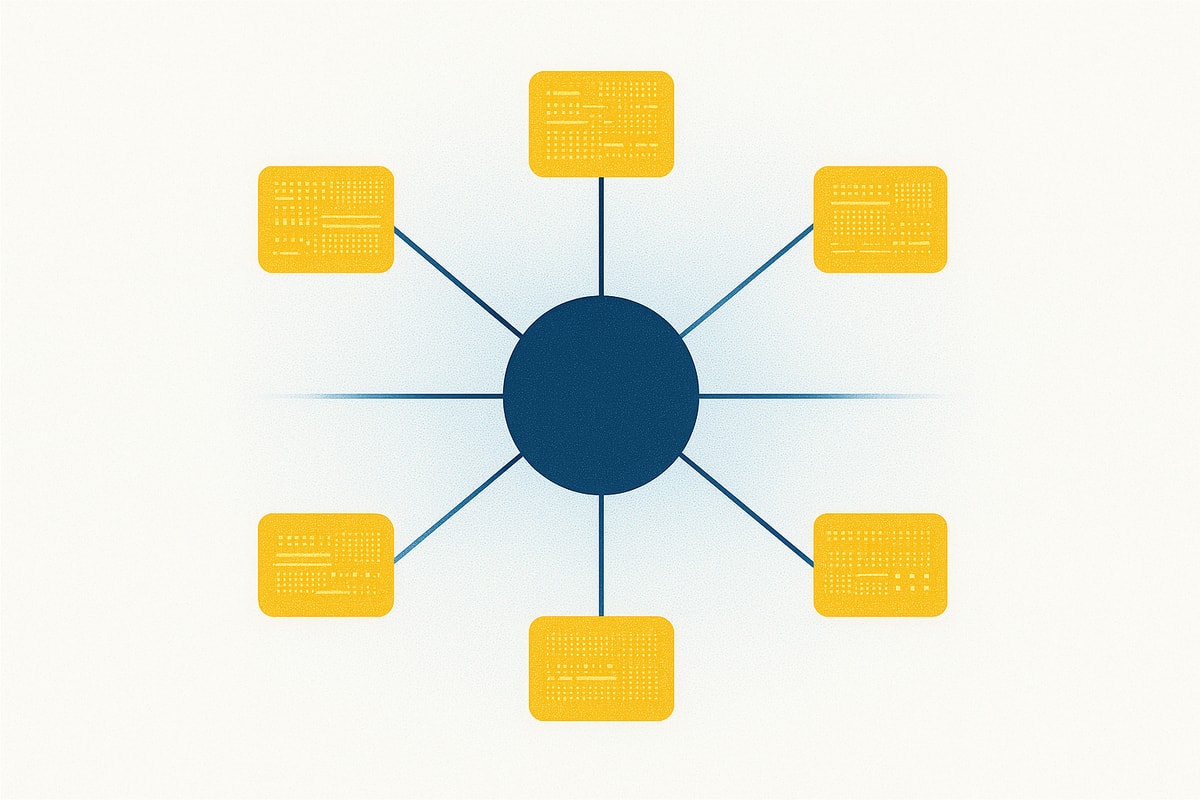
A non-refundable ticket means the airline keeps your cash if you cancel voluntarily. But many standard non-refundable tickets can still move. Major US carriers sell three broad fare classes, and the differences in their cancellation policies show up the moment plans change.
The Three Fare Tiers
- Basic economy: Non-refundable and, on most carriers, non-changeable at all. This tier sets the floor.
- Standard non-refundable economy: More room to move. Delta Classic is one example; United Economy and American Main Cabin work the same way (see rescheduling non-refundable tickets for the mechanics). Since the major carriers killed change fees on these standard fares, moving a flight costs only the fare difference, while cancelling gets you airline credit.
- Refundable economy: The cash-back step above standard, available on Delta, United, American, and JetBlue. Full fare back to your card any time before departure.
Federal Rules That Apply to Every Fare
Two federal rules cut across every tier:
- 24-hour rule: Cancel any ticket, including basic economy, for a full refund within 24 hours of booking, as long as you bought directly from the airline at least 7 days before departure.
- DOT cancellation rule: If the airline cancels or significantly changes your flight (3+ hours domestic, 6+ hours international) and you turn down the rebooking, DOT rules require a full cash refund no matter the fare type.
The Four Hidden Costs of Non-Refundable Airline Tickets
Even without change fees, standard fares still have limits. The costs show up in four places.
- Rescheduling means paying today's fare difference. The change fee is gone; you owe the gap at current prices. Bookings made 14–20 days before departure cost 24 percent less than those made inside a week, so a last-minute change on a hot route can cost more than the refundable premium would have.
- Cancelling gets you airline credit. Credits usually expire 12 months out and stay tied to the original traveler on most carriers, though anyone can use JetBlue and American credits. It gets tighter by carrier: Southwest's Basic fare credits expire in 6 months, and Delta forfeits the whole ticket if you don't cancel before departure.
- Basic economy often can't be changed at any price. United's basic economy makes you cancel and rebook, and American flat-out calls its version non-changeable.
- Post-booking price drops rarely turn into cash. Southwest's Choice Preferred and Choice Extra fares refund the difference to your original payment method; on other carriers the best case is airline credit, and basic economy gets nothing once the 24-hour window closes, or at best a fee-reduced credit on Delta, American, and JetBlue.
When Refundable Fares Make Sense for Business Travelers
The refundable premium pays off in two cases: when your schedule could shift before departure, and, by the same logic, when you book far enough ahead that the fare has room to move. That risk is common enough to price in: close to three in 10 business travelers avoided or cancelled a business trip by air in the past year for a reason other than cost.
A fare has to be refundable before any post-booking drop can turn back into cash. And if the fare drops after booking, you need a way to catch it before the price moves again. Otto the Agent handles that timing problem.
Otto keeps working after you book. It watches refundable flights booked through it with no setup and pings you when a lower fare shows up after checkout. When you confirm the rebook, Otto cancels the original refundable flight, the airline refunds your card, and the lower fare takes its place.
Keep Cash Optional When Meetings Move
Fare type is a strategy call as much as a price tag. For a business traveler whose meetings move, the refundable premium keeps cash optional; non-refundable tickets leave you with credit you may or may not use.
Through Otto, that flexibility keeps working after checkout without you having to watch fares yourself. Otto books the refundable flight, then watches the price and pings you when it drops so you can lock in a lower-fare rebook without checking prices yourself.
Start with Otto to book refundable flights and catch post-booking price drops before they move.
FAQ
Are most airline tickets non-refundable?
Yes. On major US carriers, the cheapest fare shown is usually non-refundable, and refundable versions of the same seats cost more.
Can you get a refund on a non-refundable ticket if the airline cancels?
Yes. DOT rules require airlines to refund you in cash, automatically and to your original payment method, when they cancel or significantly change a flight and you turn down the alternative. There's one temporary exception: DOT isn't enforcing it for flights that airlines only renumber and operate without significant change, through July 7, 2027. When the refund does apply, fare type doesn't matter, and credit card refunds must arrive within 7 business days.
What's the difference between non-refundable and basic economy?
Standard non-refundable fares can usually be changed for the fare difference and cancelled for a travel credit. Basic economy is non-refundable and, on most carriers, non-changeable, with credit that's fee-based or gone after 24 hours.
Is there a way to get cash back if a refundable flight price drops after booking?
Yes, if the fare is refundable and booked through Otto. When a price drop alert lands, you confirm the lower fare, Otto cancels the original ticket, and the airline refunds your card. Non-refundable fares aren't tracked because the original ticket can't be cancelled for cash.
What happens if I don't show up for a non-refundable flight?
On most major US carriers, a no-show forfeits the ticket's value entirely. Delta, United, and American typically cancel the remaining itinerary and keep the fare with no credit issued, so if plans fall apart you have to cancel before departure to preserve any travel credit. Southwest is the outlier, holding the funds as travel credit even after a no-show on most fares.
Does travel insurance cover a non-refundable flight?
Sometimes. Standard trip-cancellation policies reimburse non-refundable fares only for named covered reasons like serious illness, injury, jury duty, or a documented emergency, and they require receipts. "Cancel For Any Reason" (CFAR) upgrades broaden that to nearly any reason but cost 40–50 percent more, must usually be purchased within 14–21 days of your first trip payment, and typically refund only 50–75 percent of the non-refundable cost. Some travel credit cards, like Chase Sapphire Reserve and Amex Platinum, include trip-cancellation coverage when the ticket is purchased on the card.