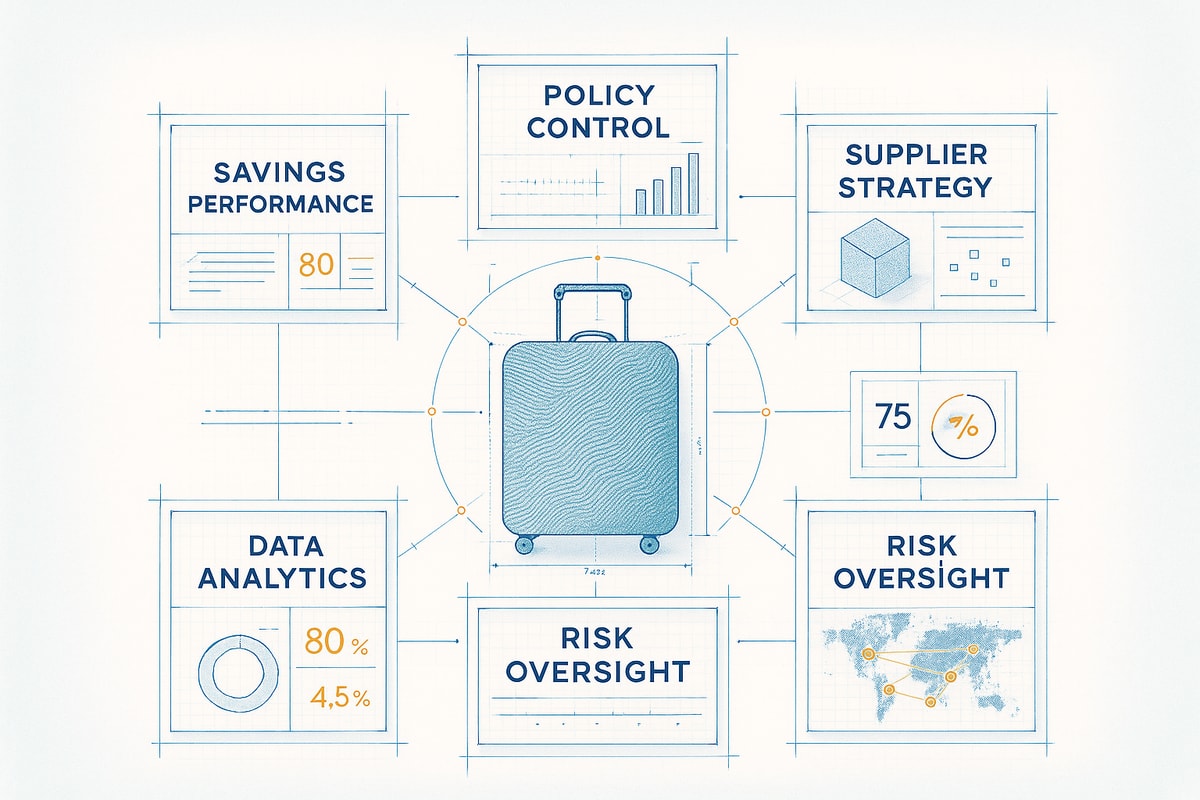
How to Book Company Travel in One Managed Channel
Set the channel, the policy floor, and the record before you book company travel for your team.


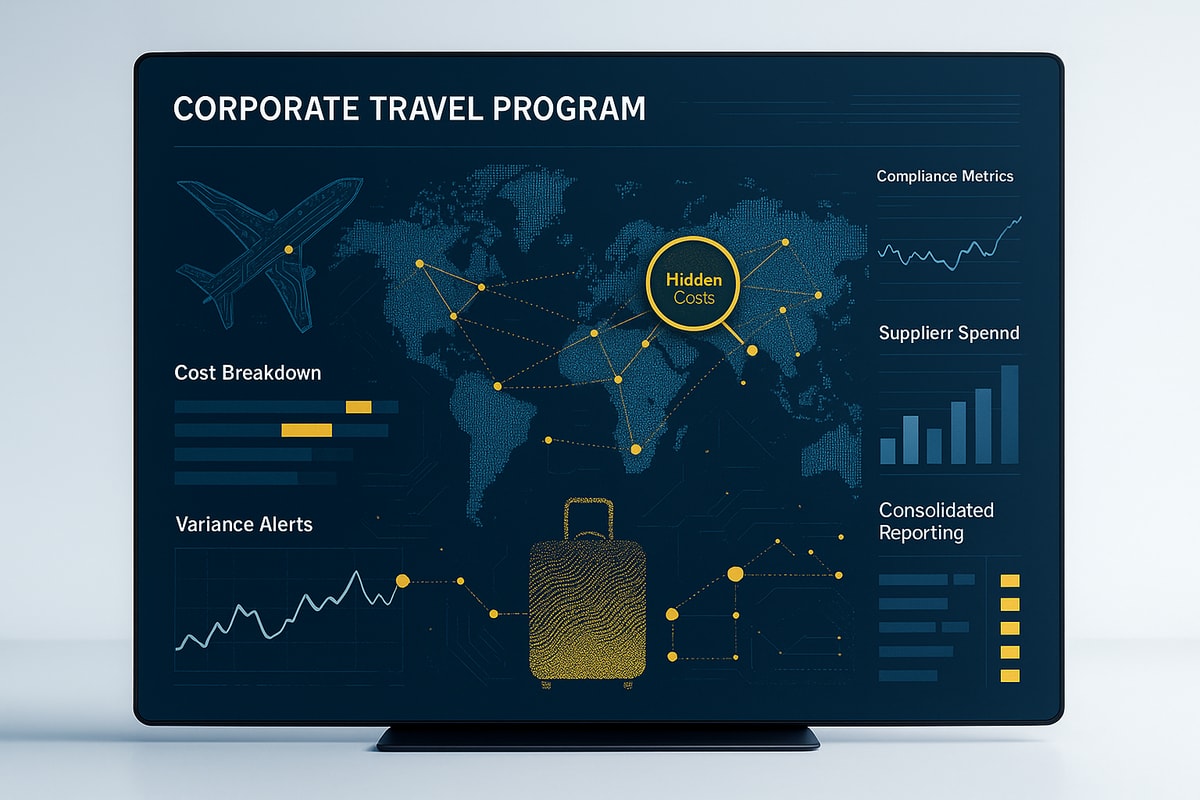
Travel requests reach you through Slack DMs and forwarded confirmation emails. A card statement arrives weeks after the trip for you to reconcile. Nobody is breaking a rule when they book company travel this way, because no rule exists. The channel was never chosen, so every traveler chose their own.
Five decisions settle how travel gets booked at a growing company: what one channel buys you, who books, what the policy floor contains, which surfaces travelers reach it through, and what the record has to hold. Work through them, and you can report on travel spend before finance asks for it.
What Changes When You Book Company Travel Through One Channel
The cost of scattered booking is the missing record, not the fare. When a traveler books on a personal card through a consumer booking site, the spend surfaces weeks later as an expense line with no booking record behind it. Policy gets checked after the money is gone, and nobody sees the total.
Travel buyers named missing content in the booking tool (46%) and leakage (39%) as top operational challenges for 2026. When the managed channel lacks the flight or hotel a traveler wants, they book elsewhere, and elsewhere produces no record. Leakage is a symptom of channel design, which no amount of post-trip policing corrects.
The pressure is landing on growing companies. Twenty percent of companies with more than $7.5 million in 2024 travel spend expected budget cuts in 2025, against 6% of smaller-budget organizations. The segment still adding trips is the one least likely to have a channel built for them.
Decide Who Books Company Travel
Who books comes before which tool, and trip complexity and monthly volume decide it. Most growing companies land on one of three models by accident.
Travelers Book Their Own Trips
Self-booking holds when trips are simple point-to-point domestic itineraries and the policy fits on one page. Without a defined channel, it becomes consumer-site booking, and the record fragments across personal cards and inboxes. For the model to work, the policy has to apply inside the channel, and every trip has to run on a company payment method rather than a reimbursement.
A Coordinator Books on Behalf of Travelers
A coordinator gives you one clean record and one payment method, and you pay for it in hours. The single point of failure is the person. When the coordinator is out, bookings stall, because the booking routine lives in one person's head. The model usually strains somewhere between 15 and 25 trips a month, and it breaks by burnout rather than by process.
A Hybrid Split by Trip Type
Most growing programs divide bookings by trip type. Routine domestic trips get self-booked inside the managed channel, and complex, multi-leg, international, or executive trips go to a coordinator. Write down what "routine" means at your company. A workable definition is a domestic, single-destination trip under a set dollar threshold with one hotel. Put that sentence in the policy, because that boundary is where self-booking design holds or fails.
Set the Policy Floor Before You Pick a Channel
A managed channel with no policy floor moves the leakage into a new system. The floor is a short set of rules you can apply at purchase.
- A cabin and fare ceiling by trip length, with a flight-duration cutoff for premium economy and business class.
- A nightly hotel cap by city, benchmarked to federal per diem rates. Only 30% of companies set formal hotel caps; 46% advise "reasonably priced" hotels instead.
- A refundability default, and the named role who may override it, because unused non-refundable credits expire.
- A named payment method that is not a personal card, since reimbursement hides spend until the expense report arrives.
Approval routing is a separate mechanism, and a floor does not need an approval workflow to be useful. Enforcement at purchase is the step growing programs skip, because nobody is standing between the traveler and the buy button. Otto the Agent ingests an uploaded corporate travel policy, marks every option as in or out of policy, and completes the booking inside the channel, so the floor holds at purchase instead of surfacing in reconciliation. That is also where a thin policy structure shows up, since the channel can only enforce what the policy states.
Give Travelers a Managed Channel They Will Use
Adoption is decided by where the channel lives. It has to hold the inventory travelers want and sit where the work already happens. For a growing program, that means one of a few places:
- Web and mobile apps let travelers book without an IT project or a rollout.
- The messaging tool where booking requests already arrive keeps the channel in the place travelers already work.
- A Travel Management Company (TMC) or coordinator inbox works when requests already route through a person.
Travelers reach Otto in web, iOS and Android apps, in Slack, in Microsoft Teams, and inside MCP-compatible clients including Claude and ChatGPT, where Otto completes the booking without the traveler leaving the thread. That removes the friction that sends travelers to consumer sites, so the spend lands in the channel at purchase. Otto also stores an expense-ready PDF receipt for every booking, though the receipt still has to be imported into the company's expense system.
Capture the Record at the Point of Booking
Close a booking only after recording the traveler, dates, itinerary, cost, payment method, cost center, and a receipt that satisfies substantiation requirements. Ticket issuance is only the halfway point. A confirmation email holds the itinerary and cost; finance chases the rest.
Federal substantiation requirements cover the amount, time, place, and business purpose of each expense, plus receipts for lodging and for other expenses of $75 or more, unless the company reimburses under an accountable plan using a per diem method. They also weigh a record kept at the time above one prepared later. A record assembled from memory at month-end does not meet that bar.
Because the booking record still has to move into the expense system, name the owner of that import step when you design the channel. Leaving it unassigned is how a clean booking record turns back into a reconciliation problem.
Decide the Channel Before the Next Trip Gets Booked
Once the channel applies the policy and captures the record, the booking act stops needing your attention. That decision is the piece of program design no tool makes for you, and putting it off is what leaves the spend scattered across personal cards.
For a company that needs a managed channel without traditional TMC overhead, Otto is a lightweight TMC and fulfills its own bookings. Every trip booked through Otto arrives with the policy already applied and an expense-ready receipt attached, which is the record finance has been assembling by hand. Otto is free for the first year, and Otto doesn't charge agent-assist fees, minimum spend, or contract commitments.
Let Otto handle routine trip booking so every company trip lands in one managed channel with a record finance can reconcile.
Frequently Asked Questions
Who should be responsible for booking company travel at a small company?
Responsibility should sit with whoever owns the travel budget line, even when an office manager executes the bookings. Separating ownership from execution stops the coordinator from becoming the de facto policy authority, and it gives finance one accountable name when travel spend needs explaining.
What is the difference between a travel policy and a booking channel?
A policy states the limits, such as cabin class, nightly caps, and refundability defaults. A channel decides where and when those limits get applied. Written alone, a policy becomes a document people read once during onboarding. Chosen alone, a channel just moves money out faster.
How many trips a month justify moving off consumer booking sites?
Count reconciliation hours and payment records. When someone in finance spends a full day each month matching confirmations to card statements, or trips are paid across more than a handful of personal cards, consumer booking sites already cost more than they save.
How do you keep booking company travel from becoming a policy enforcement problem?
Make the managed channel easier to use than booking elsewhere, then reserve manual review for genuine exceptions. Otto books against the travel policy you upload, so enforcement happens inside the trip request rather than in a monthly audit nobody has time to run.