Corporate Travel Policy Business Class: A Cost Audit
Your business class threshold hasn't changed. The fare behind it has. Four checks that show what the rule costs.


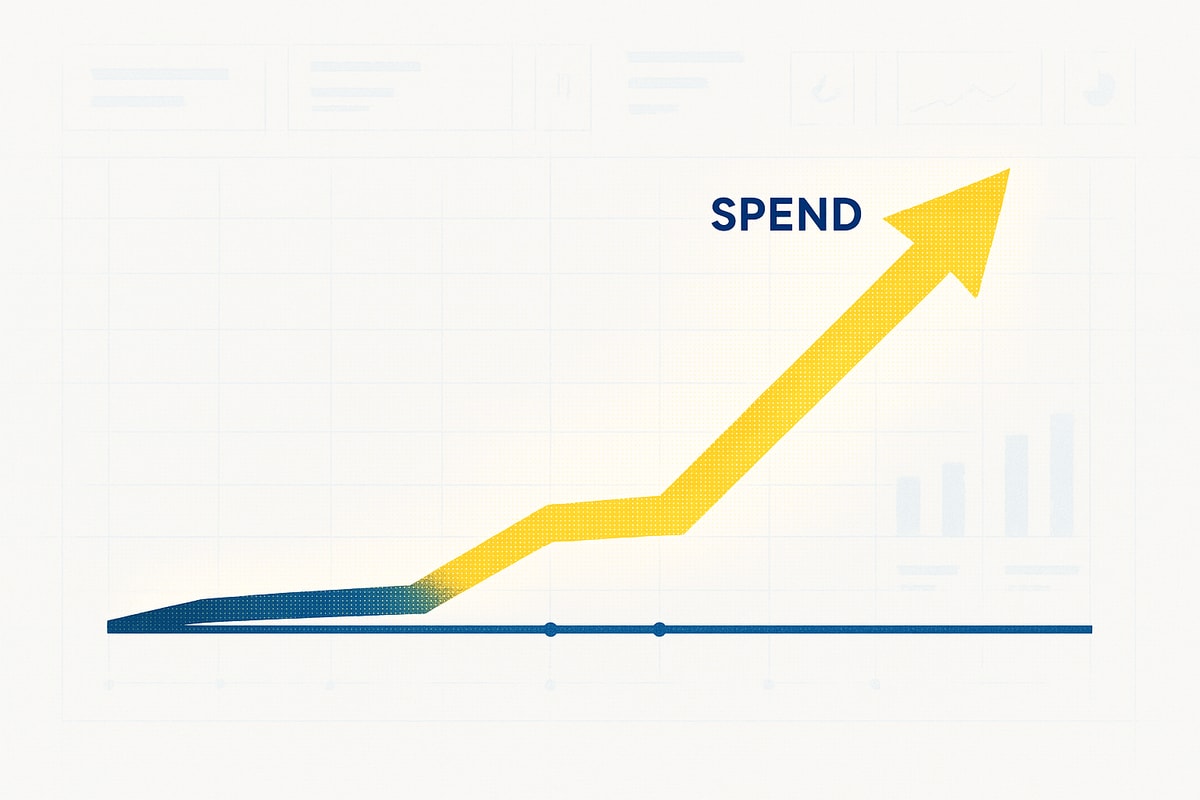
Premium cabin spend closed the year up even though trip volume didn't move. Headcount is flat, and the cabin policy hasn't been edited since it was written. Now the CFO wants to know why the line grew, and nothing in the program report can answer, because every metric in it measures traveler behavior instead of price.
A four-check audit of premium cabin spend separates fare movement from trip counts and cabin mix, so you can tell finance which one drove the increase and by how much.
Why Premium Cabin Spend Grows on a Policy You Never Changed
A cabin rule grants permission. Carriers price the seat that permission buys, and they reprice it every season, which means the same authorized trip gets more expensive without anyone touching the policy.
Delta's premium revenue grew 17% year over year in the June 2026 quarter on yield strength and continued investment in premium seats, against roughly 1% capacity growth. Main cabin revenue rose 8% over the same period, so premium climbed more than twice as fast as economy. The corporate cut is sharper still, with premium corporate sales up more than 25% on sustained premium demand. The same direction held a year earlier in the June 2025 quarter, when premium grew 5% while main cabin revenue fell 5%.
The premium line can grow while trip volume holds flat and every booking stays in policy. A rising number, on its own, tells you nothing about compliance.
The Price Gap Your Threshold Assumed Has Moved
A duration threshold encodes a price gap. When the rule was written, someone weighed the premium fare against economy on the top routes and decided the difference was worth paying past a certain trip length. Carriers reset the inputs to that judgment every season without consulting your policy.
Several inputs shift underneath a static threshold:
- The premium-to-economy gap on each route, which carriers set independently of your program.
- The share of premium seats on the aircraft, which moves as fleets get reconfigured.
- Whether premium economy exists as a middle step on that route, or whether the only move up is full business class.
The rule looks stable in the document and unstable in the fare. Cabin rule language tied to fare codes and duration cutoffs ages faster than the fares it governs.
Often that movement surfaces only at expense reconciliation, after the money is spent. Otto the Agent works as the managed booking channel, so cabin spend lands in booking records as it happens. On fully refundable trips booked through Otto, a price drop that brings a higher fare class inside your travel policy triggers an alert; seat availability alone does not. Once the traveler approves, Otto cancels the original fare and rebooks the new one, which keeps qualifying upgrades in policy and visible before the expense report arrives.
The Four-Check Business Class Cost Audit
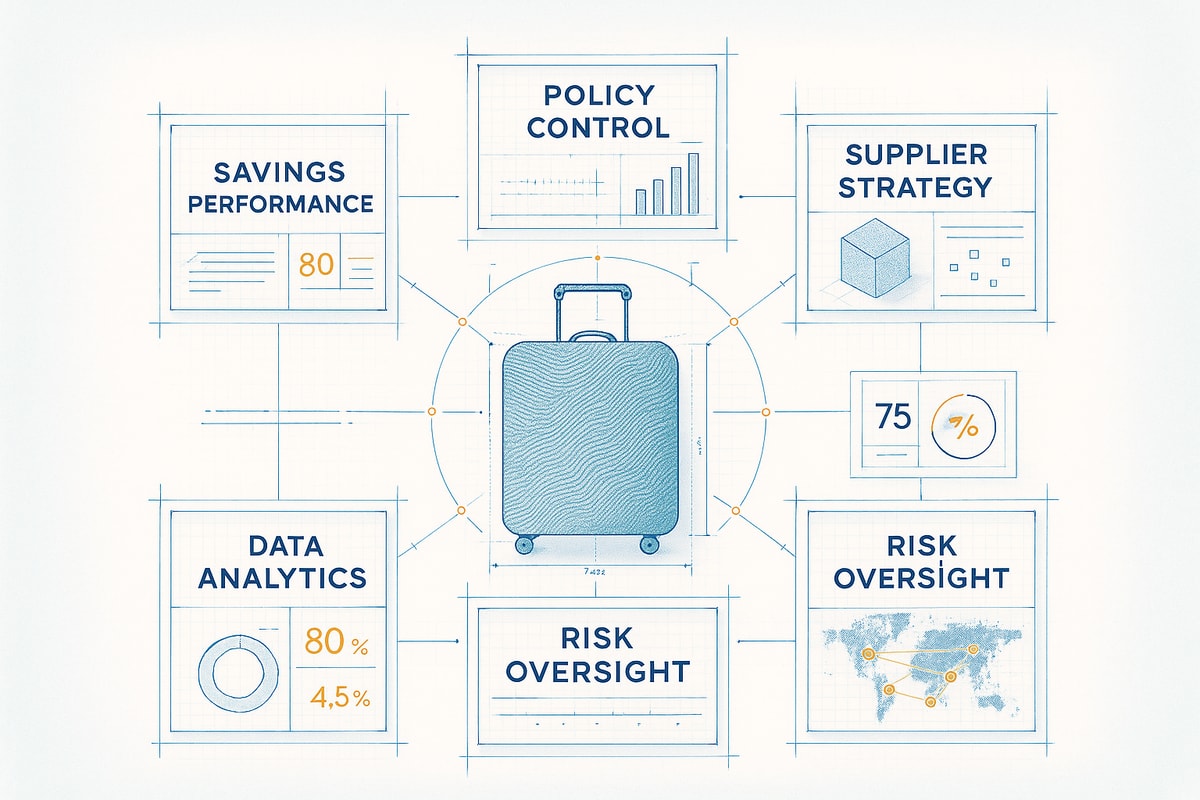
Standard program reporting measures channel and booking compliance, so it can't explain a price-driven increase. These four checks add price and volume, and all run on data already in your booking records and card feeds.
- Premium cabin spend as a share of total air spend, quarter over quarter. A rising share against flat total air spend points to a mix shift toward premium. A flat share against rising dollars points to rate.
- Average premium fare against average economy fare on your top routes. This is the gap your threshold authorizes. Track it per route, because a widening gap on a handful of heavy routes can move the whole line.
- Premium trip count against the prior comparable period. Count tickets. Dollar totals fold rate into the answer and bury the volume question.
- Average cost per premium trip, trended. Divide premium spend by premium trip count each period. With volume controlled for, rate increases show up here.
Each check isolates one driver, and treating any output as a target to hit defeats the purpose. Run all four before you attribute anything, because one read alone will point you at the wrong cause. The route-level results tell you whether the threshold still fits current fares.
What to Do With What the Audit Finds
The audit tells you which driver moved the line. Most findings call for a change in review cadence, and only a few call for rewriting the policy.
Review the Cabin Line on a Set Cadence
Review is triggered by movement in the premium-to-economy gap on your top routes, because that gap is what the cabin rule authorizes, whatever trigger structure the policy uses to express it. When the gap shifts far enough that the rule now approves materially different spend, that finding goes to finance with the route numbers attached, well before the annual policy cycle comes around.
Treat Premium Economy as a Budgeted Rung
Handle the middle cabin as a budget position. A program that prices only two rungs pays the full width of the gap every time a trip steps up, so where a route offers premium economy, that fare belongs in the budget and in the trend alongside the other two.
Make the Cabin Rule Visible Where the Fare Is Chosen
A cabin rule enforced at expense review can only report cost after the fact, while a rule visible at selection changes which fare gets chosen. Otto reads your travel policy, cabin rules included, and shows in-policy and out-of-policy indicators with the reasoning attached at the moment someone picks a fare, whether they book in Slack, Microsoft Teams, the app, or an MCP client like Claude or ChatGPT. Fewer out-of-policy purchases means less to reconcile later, and cleaner cabin-spend data to audit next quarter.
Explaining a Growing Cabin Line to Finance
Attribute the increase before you defend it, because "airfare went up" is not an answer a CFO accepts twice. Lead with the routes carrying the largest share of the increase, then show how those route results reconcile to the total change. That gives finance a path from route data to the variance instead of a general claim about the market.
Bring your own compliance numbers alongside it. Frequent travelers have grown more compliant, with 49% now saying they always use corporate channels, up from 43%, even as overall booking compliance held roughly flat. If your program's compliance holds or improves while cost per premium trip climbs, those two facts together point at rate and away from behavior. That distinction decides whether the conversation is about the budget or about the policy.
Budget the Business Class Line Before Finance Asks About It
Once you can show which of rate, volume, and mix moved the line, the premium cabin stops being the number you can't explain and becomes one you can forecast. That turns the next budget conversation from a defense into a projection, and it gives you something concrete to bring back to the cabin class section when the policy next comes up for review.
Otto works as the managed booking channel, so premium fares, cabin, and policy status get recorded at purchase and stay queryable afterward. Cabin rules surface at the moment someone picks a fare. Try Otto free for 1 year, no credit card required, no contracts, no agent-assist fees, no minimum spend.
Set up Otto to keep premium cabin spend measurable before it turns into a CFO question.
Frequently Asked Questions
Why is your premium cabin spend rising when trip volume is flat?
Check the budget's vintage first. If the air budget was built from fare levels that predate the current market, part of the variance is the gap between those assumptions and what carriers charge now, and no amount of policy tightening will close it.
How do you separate a fare increase from a mix shift in air spend?
Reprice last period's trips at current fares, holding routes and cabins constant. That isolates rate. Subtract rate and volume from the total change, and whatever remains is mix.
What data do you need before renegotiating anything on premium routes?
12 to 24 months of route-level history: origin and destination pairs with trip counts, cabin mix, spend by carrier and cabin, and the managed versus unmanaged split. Carriers judge your program by what they can see through booked channels, so unmanaged spend weakens the volume story before the conversation starts.
How can you tell what a cabin policy is actually costing before expense reports come in?
Bookings have to land somewhere you can query. A managed channel like Otto captures cabin and policy status on every trip it books, which turns cabin cost into a report you pull rather than a reconstruction from receipts.