Auto Allowance vs Mileage Reimbursement: Which Pays More
Compare auto allowance vs mileage reimbursement on tax treatment, take-home value, and what to ask for.


Your offer letter said $600 a month for your car, but your pay stub says $422.10 after federal income tax withholding and FICA. That gap is the whole story behind auto allowance vs mileage reimbursement. A flat allowance is subject to those payroll deductions, while qualifying per-mile reimbursement can arrive tax-free.
This guide compares both vehicle payment structures and breaks down the four factors that decide which one wins, so you know which one puts more money in your pocket.
The Short Answer on Vehicle Payments
Per-mile reimbursement usually puts more in your pocket because, at the same nominal payout, it can arrive tax-free while a flat allowance is taxed.
The exception is the low-mileage driver with a generous allowance, who comes out ahead even after the tax bite. Below about 555 business miles a month, the after-tax allowance beats what the per-mile rate would pay.
Why a Flat Car Allowance Shrinks Before It Reaches You
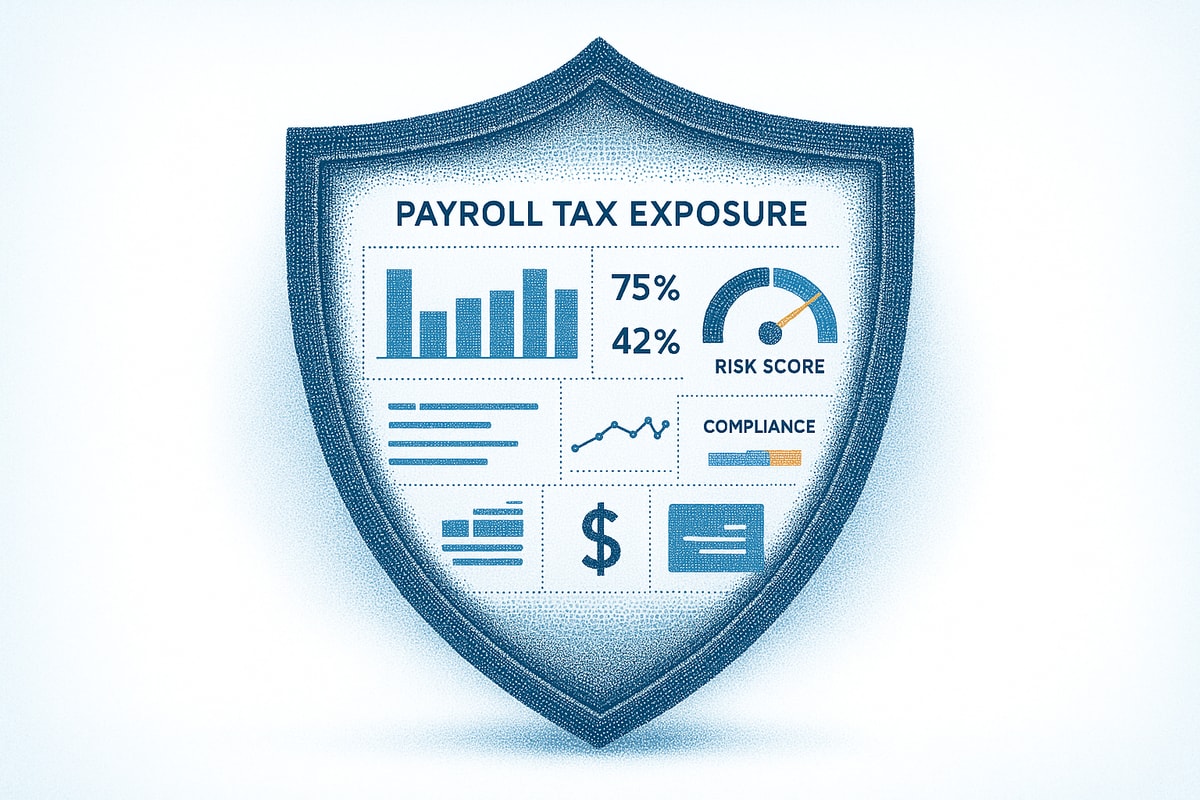
Payroll treats a flat monthly amount as wages whether or not you drove. It goes into Boxes 1, 3, and 5 of your W-2, where it picks up federal income tax withholding and FICA. Employee-side withholding in this example is 29.65 percent, and your employer pays a separate 7.65 percent match on top.
On $600, federal supplemental withholding at 22 percent takes $132, Social Security at 6.2 percent takes $37.20, and Medicare at 1.45 percent takes $8.70, which leaves $422.10. Your employer sends a separate $45.90 for its share.
The allowance arrives every month whether you drove 300 miles or 1,500, and nobody asks for a log. You spend it however you want.
How Per-Mile Reimbursement Works
Per-mile reimbursement pays you a set number of cents for every business mile you log. Employers often tie that amount to the IRS standard mileage rate. For 2026, there are two rates. Miles driven January 1 through June 30 pay 72.5 cents; miles driven on or after July 1 pay 76 cents.
Payroll may still be running the January rate. Mid-year rate changes are rare; the last one before this was in 2022. The jump from 72.5 to 76 cents is worth 3.5 cents a mile, or $31.50 on 900 miles, so check the rate printed on your last reimbursement. Only certain trips qualify as a business mile.
- Only business miles qualify, which means trips between your office and a client site or between two clients during the workday.
- Your daily drive from home to your regular office never qualifies.
- Your employer reimburses tolls and parking at a client's site separately, because the IRS rate covers gas, depreciation, insurance, and upkeep, and not much else.
Keep toll and parking receipts as separate line items, or the whole claim lands in the denied submissions pile.
The Tax Test That Decides Everything
The IRS calls the arrangement that makes a vehicle payment tax-free an accountable plan, and the tests are business connection, substantiation, and return of excess. The payment has to cover actual business driving. Turn in your log within about 60 days, and you're clearly inside the line. If the company pays you more than your log supports, send the overage back within about 120 days. Pass all three and the money never touches your W-2.
If the arrangement itself is broken, every dollar is wages, including the portion supported by your real miles. If nobody has ever asked you for a mileage log, that missing log tells you the allowance fails the substantiation test by design. Only when the plan is sound, and you personally blow the 120-day deadline, does the tax hit just the overage.
You can usually tell which plan you're on from your company's reimbursement rules. A plan that requires logs and repayment of overages is accountable. A plan that pays a flat monthly figure and nothing else is not.
Which One Actually Pays You More
Four factors decide it, and the first one does most of the work.
- Your monthly business miles set the break-even. The $422 you keep from a $600 allowance, divided by 76 cents, works out to about 555 miles a month, so below that the allowance wins. At 900 miles, per-mile pays $684, 62 percent above the allowance.
- What you drive changes what the rate is worth. A fuel-efficient sedan tends to cost less per mile to own and run than the standard rate pays, which leaves you ahead. A larger truck or SUV can cost more per mile than the rate covers, which leaves you short.
- Whether anyone asks you for a log decides the tax, and the tax decides the winner.
- Your state can override the whole comparison. California requires employers to reimburse employees for necessary business expenditures incurred on the job, which covers mileage driven for work, and a few other states have similar rules. A flat allowance satisfies that only if it actually covers your costs.
If two or more point toward per-mile, check whether your company travel rules cover personal vehicles at all.
The Middle Ground Most People Haven't Heard Of
FAVR pays a fixed monthly piece for owning the car and a variable per-mile piece for running it, both tax-free under IRS rules. It's built for companies with enough mobile employees to justify running a second program, so small teams often don't see it offered.
Under an accountable allowance, your company keeps paying the same flat $600, but you turn in a log, and the portion your miles support at the IRS rate comes to you tax-free. Anything above that you return within 120 days, or it becomes wages. If your employer says a flat allowance is easier to run, this one asks nothing of you beyond the log your company's reimbursement ground rules already expect.
What to Ask for If Your Payment Isn't Covering You
Your employer has to agree because no rule lets you require one. To make that agreement easier, bring a month of numbers and an ask that costs the company nothing.
Track What You Actually Drive
One month of real numbers beats any estimate, so build that record by writing down the date, the miles, the destination, and the purpose for every business trip at or near the time you drive it; a weekly entry still counts as timely. Because your commute doesn't qualify, leave it out. That same log feeds faster approvals on every other claim you file.
Run the Comparison Yourself
Multiply your business miles by 76 cents, then set that number next to what your allowance leaves after tax. At 600 miles a month, per-mile pays $456, compared with $422 from the allowance. Anything you drove before July 1 pays 72.5 cents, not 76, so check which rate applies to the miles you're counting. Run it on the month you actually logged, not your busiest one.
Ask for Substantiation
Ask whether your employer can pay your allowance under an accountable plan. The dollar amount doesn't change, and your employer stops paying its 7.65 percent FICA match, so it saves the company money. Say it in one sentence. "Payroll taxes the allowance as wages, and you pay payroll tax on it too, so reimbursing the same $600 against the mileage log under an accountable plan costs you less and leaves the full amount for the employee."
When Renting Beats Driving Your Own Car
Fly in, drive between client sites, and a short-term rental takes the mileage question off the table entirely. Because the standard rate doesn't apply to a short-term rental, your employer reimburses the actual cost from the receipt tax-free under an accountable plan and doesn't require a log. By contrast, heavy mileage on your own car creates depreciation that the standard rate may not fully cover.
Booking a flight, hotel, and rental car separately, then tracking down the booking receipt for your expense report, creates extra work on a fly-in trip. Otto the Agent books the flight, the hotel, and the rental car from your request on the web or in the iOS and Android apps. Say "rent a car for my trip next Tuesday," and it returns a short list of options, then books the one you pick. Otto automatically provides and stores the booking receipt as an expense-ready PDF for your expense report.
Know What Your Miles Are Actually Worth
Once you know your break-even point, ask for the payment structure that covers your driving. That turns the conversation with your manager from a request for more money into a case for matching the payment to your actual business use.
When the numbers point toward flying in and renting instead, Otto handles that booking and keeps the receipt ready for your expense report. That removes the chase from the rental booking process entirely, while you still choose the option that fits your trip.
Sign up for Otto to book fly-in trips and keep the booking receipts ready for reimbursement. That gives you one place to retrieve them when it is time to file.
Frequently Asked Questions
Does a car allowance count as income on my W-2?
Yes, and the withholding you see is not your final bill. Above the $184,500 Social Security wage base for 2026, the 6.2 percent stops applying, while earnings over $200,000 add a 0.9 percent Medicare surtax. The year-end filing settles the difference.
Can I deduct business mileage my employer didn't reimburse?
Not on a federal return if you're a W-2 employee. The Tax Cuts and Jobs Act suspended the deduction for unreimbursed employee expenses starting in 2018, and the One Big Beautiful Bill Act made that a permanent suspension. Exceptions remain for Armed Forces reservists and a few other narrow categories.
Does driving from home to the office count as business mileage?
No, and distance is irrelevant. If your home is your principal place of business under the home-office rules, trips from home to any work location count. A drive from home to a temporary work site outside your metro area counts too, even though the same drive to your regular office wouldn't.
How do I keep receipts straight for trips where I fly in and rent a car?
Ask for the final invoice when you return the car. You need a receipt showing the amount, the dates, the location, and what the trip was for, added to your expense report within 60 days. When you book through Otto, it stores the booking receipt as an expense-ready PDF, but you still need to obtain the rental company's final invoice after you return the car.