What Does "Push Back" Mean for a Flight?
Push back on a flight can mean the plane left the gate or your departure moved later. Learn which one you face and how to protect a connection before you board.


You're at the gate with a 50-minute connection in Charlotte and a 2 p.m. client review at the other end. The monitor flips your flight to "pushed back," and no new time appears. The traveler beside you thinks the plane is about to leave. You think it's running late. Neither of you knows whether to stay put or start rebooking.
"Push back" has two meanings on a flight, and each one calls for a different response. This guide defines both and gives a decision point for four connection scenarios. You can tell in seconds whether your connection is at risk and what to do next.
What Push Back Means on a Flight
On a flight, push back means your departure time moving later or the aircraft moving away from the gate. Only the first changes your plans.
Schedule Pushback: A New Time on the Board
A schedule pushback moves your departure later while you're still in the terminal. Some are controllable delays, meaning the airline caused them, through maintenance or crew problems, cabin cleaning, baggage loading or fueling. Weather, air traffic control and a late-arriving plane cause other flight delays.
Airlines must post a status change within 30 minutes of learning about it. The federal flight status rule covers flights scheduled to depart within 7 days and any delay of 30 minutes or more, cancellation or diversion. It covers the airline's website, its phone reservation system and flight status displays at US airports it controls. The gate monitor isn't your only source. A posted estimate isn't a commitment, and revised times can move earlier or later.
Aircraft Pushback: Doors, Tug, Taxi
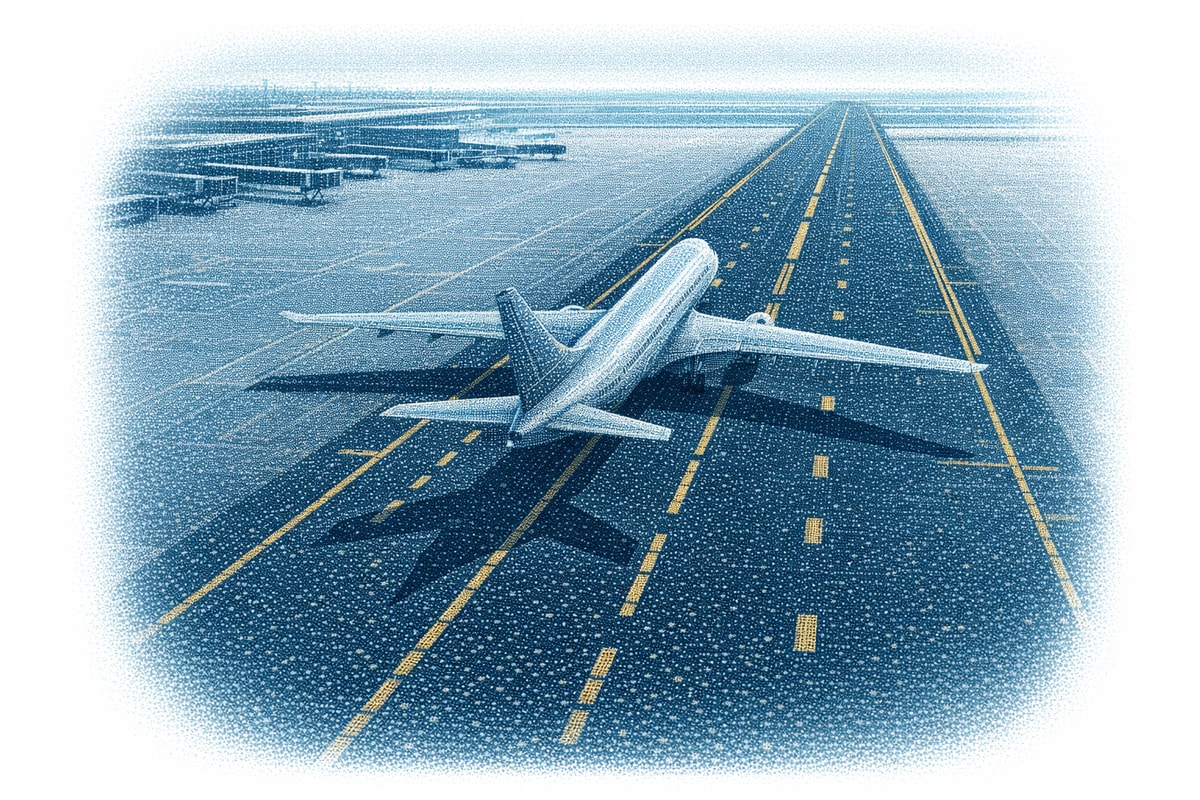
Aircraft pushback is a technical ground-operations term. It describes a tug pushing the plane backward away from the gate, which is necessary to depart from any parking stand that isn't self-maneuvering. It says nothing about your schedule. The word overlaps with the airline use of "pushed back," which is why the two get confused.
Pushback starts after the boarding door closes. The tug moves the plane onto the taxilane and disconnects. The crew starts the engines, and the aircraft taxis under its own power once it has taxi clearance. Takeoff follows. If you're still in the terminal, the plane hasn't done this yet.
How Each One Shows Up for You
A schedule pushback appears as a revised time or delay status on the airport display and in your airline app. Aircraft pushback happens only after boarding ends, so if the door is still open and the posted time has moved, you're facing the schedule version. Airline departure statistics also count the pilot's parking brake release after the doors close as the departure time. That's why a flight can show as departed while it's still on the ground.
What Pushback Means for Your Connection and Your Meeting
Your next move depends on how much buffer the new time leaves and whether a time is posted at all.
- If a short pushback still leaves buffer, stay at the gate, because the posted time is an estimate and the departure can move up.
- If the pushback eats the connection, check the airline app for rebooking before you board. Airlines often offer automatic flight rebooking when a delay could cause a missed connection.
- If no new time is posted, use the app instead of the board and line up a backup flight for the meeting while seats remain.
- If the pushback stacks onto an earlier delay, federal rules can treat your flight as a significantly delayed flight. For domestic trips, that means departing or arriving three hours or more late. If you decline the rebooking then, the airline owes you a refund.
In the last two cases, message the meeting host before you board. If your connections keep getting squeezed, price longer layover buffers on your next booking.
Otto the Agent does the buffer math for trips you book through it. When a new estimate puts the connection at risk, it sends you a notification, so you aren't relying on the gate monitor.
What You Can Do During a Schedule Pushback and After the Door Closes
A schedule pushback gives you options only while the aircraft is still at the gate. Once aircraft pushback starts, the door is closed and the choices narrow to the airline's obligations. American Airlines, for example, closes boarding doors at least 10 minutes before departure and won't reopen them except for health, safety or security issues. A new departure time can also move the door cutoff with it, so recheck both times.
- While the plane is at the gate, you can ask an American gate agent for same-day standby at least 45 minutes before departure.
- On Southwest, you can make a same-day change until 10 minutes before the original flight's scheduled departure, even if the delayed time is later.
- Once the main aircraft door closes, the tarmac delay clock starts. The airline must update you after 30 minutes and serve food and water by the two-hour mark. On domestic flights, it must begin returning to a spot where you can deplane before three hours, except for safety, security or air traffic control reasons.
- If you get off during a tarmac delay, the airline doesn't have to let you back on, and your checked bag may fly without you.
The best window to act is the stretch between the first delay notice and the door closing. When a schedule pushback appears on a trip booked through Otto, it checks airport-specific minimum connection times to see whether your connection still works. It searches for alternatives before it messages you, then presents options customized to your schedule for you to approve, weighing each against your next calendar commitment, cost and travel policy. Travelers finish the booking directly in the same conversation they started it, so you can choose a backup before boarding ends.
If the door closes first and the booking can't change, Otto keeps watching the connection and has alternatives ready when you land. With your permission, it can book a backup flight on another airline during significant delays and monitor both reservations. When the airline controls the reservation, Otto connects you with human agents at its travel partner and prepares the case first, with the trip ID, PNR, what happened and what Otto already tried.
You reach Otto in web, iOS and Android apps, and MCP-enabled experiences, plus Slack and Microsoft Teams. It's free, with no contracts, no agent-assist fees and no minimum spend, so turning it on before a tight connection costs nothing.
Keeping the Rest of the Trip Intact
A pushed-back departure affects more than one flight. A later first leg squeezes the connection, which pushes hotel check-in toward midnight and puts the rental car pickup and the next morning's meeting at risk.
Work through the downstream bookings in the order they expire:
- Tell the hotel your new arrival time first. A late arrival can trigger a released room or a front desk that has closed.
- Confirm how your rental car location handles late pickups. Airport counters keep set hours.
- Notify meeting attendees last. Give an arrival time that includes the connection buffer you've confirmed, not the first estimate.
Otto covers the same trip beyond the flight. When a departure moves, it checks the hotel and rental car on that itinerary and proposes adjustments for you to approve. The hotel adjustment follows the booking source and cancellation policy, and the rental pickup time factors in price and the location's hours. It flags new calendar conflicts for you to handle.
Know Which Push Back You're Facing Before You Board
A vague "pushed back" notice costs you the most in the minutes before the door closes. Those are also the minutes when you have the most options. If you wait, you end up dealing with a missed connecting flight after you land.
Otto checks the connection as each new estimate arrives, so you see evaluated options before you reach the gate agent instead of after the door closes.
Start with Otto to monitor a tight connection as a departure delay develops and choose an alternative before boarding.
Frequently Asked Questions
Does "pushed back" mean the plane is leaving?
Usually it means a later departure. Aircraft pushback is the plane moving away from the gate, and it happens only after boarding ends. If you're still in the terminal with a new time posted, the plane hasn't left. If the posted time passes with no update, ask the gate agent.
Is a pushed-back flight the same as a delayed flight?
In everyday terms, yes, because both mean a later departure. Federal rules call a domestic flight significantly delayed when it departs or arrives three hours or more late, and that label can open refund options. Ask your airline which label it used for your flight.
How long can a flight be pushed back before it counts as a delay?
Any later departure is a delay in practice, and airlines must post a delay of 30 minutes or more on airport displays within 30 minutes. Federal rules treat three hours as the line for a significant domestic delay, which is when refund rights can start. Your airline's own rebooking triggers may start earlier.
How can I keep track of a tight connection when my flight keeps getting pushed back?
A rolling delay is hard to track because every new estimate changes your connection math. Otto monitors flights you book through it and checks airport-specific minimum connection times as each estimate arrives. When the connection stops working, it presents options it already evaluated, and you approve one. Otherwise, compare backups at each update.