Can a Non-Refundable Ticket Be Changed? What Each Type of Change Actually Costs
Can a non-refundable ticket be changed? Yes, see exactly what date changes, route changes, name corrections, and same-day changes cost on American, Delta, United, Southwest, and Alaska.


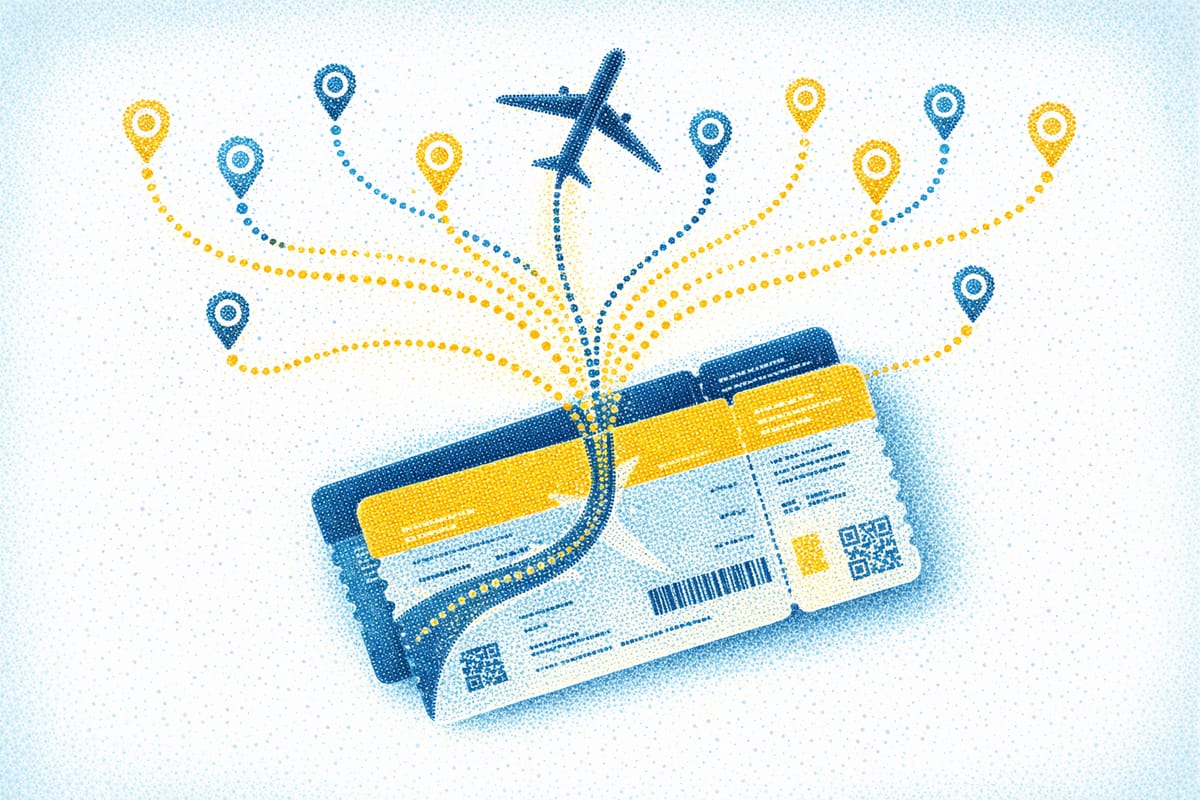
Yes, most non-refundable airline tickets can be changed, and on the major US carriers the flat change fee is gone on main cabin fares. What it actually costs depends on which part of the reservation you're changing. Calling the airline without knowing which one you have burns time you don't have between meetings.
Date changes, route changes, passenger name corrections, and same-day time changes each price differently across American, Delta, United, Southwest, and Alaska. Each also has a tipping point where canceling for a travel credit beats changing outright, and knowing that point ahead of the call is worth more than any status tier.
Date Changes: Usually Possible, Fare Difference Applies
Date changes on non-refundable tickets split into three cases: main cabin (no change fee, pay the fare difference), basic economy (usually locked), and the DOT 24-hour window right after booking. Which one applies decides whether you pay $0, a fare difference, or nothing at all.
Main Cabin: Fare Difference Only
American, Delta, United, Southwest, and Alaska have killed flat change fees on domestic main cabin fares and above. That only kills the change fee itself. You still pay for the new seat, so a pricier flight costs you the fare difference.
When the new flight is cheaper, the residual depends on the carrier:
- Delta, American, Southwest: return the difference as travel credit.
- United: usually issues future flight credit instead of a refund, so bake that into the cancel-and-rebook math.
Basic Economy: Usually Locked
Before doing anything, check whether you're still inside the no-risk cancellation window. Otherwise:
- American Basic Economy, Delta Basic, United Basic Economy, Southwest Basic, and Alaska Saver generally can't be changed in advance under non-refundable fare rules.
- United sells an add-on that restores changeability.
- American still allows same-day standby on Basic Economy (but not confirmed same-day changes).
The DOT 24-Hour Window
The DOT 24-hour rule gives airlines a choice: let you cancel for a full refund within 24 hours, or let you hold the fare unpaid for 24 hours. Either way, the ticket has to be booked at least seven days before departure.
After that window, cancellation credit rules take over. The credit clock decides whether canceling beats changing.
Refundable fares dodge that credit clock. A non-refundable ticket leaves you with an expiring credit instead of cash. A refundable fare through Otto the Agent gives you a cleaner fallback: Otto keeps working after you book and watches the price of every refundable flight you book through it. If the price drops and your flight is refundable, you can rebook and get cash back to your credit card.
Route Changes: Same Process, Bigger Fare Difference
Route changes price like date changes, but the fare-difference gap tends to be wider because you're often shopping a different market close to departure.
How major carriers price it:
- No change fee on main cabin fares.
- Plus the fare difference to the new routing, which is the whole cost.
- That difference can spike when the new market is priced near departure.
Two things to watch:
- Not the same as same-day confirmed changes. Delta bars origin and destination changes from its same-day confirmed change option, so a Delta route change has to happen in advance.
- A change locks you to the original airline. Use this rebooking guide when the new market prices above your ticket's value or another airline has the schedule you need.
Passenger Name Changes: The Hardest Change to Make
Airlines draw a hard line between correcting a name and transferring a ticket. American and Delta allow corrections. American, Delta, and United all prohibit transfers. Southwest has a narrow corporate exception:
- Free corrections: typos and inverted first and last names. A missing middle name may qualify too. American reissues qualifying corrections at no fee; Delta permits corrections that match government ID.
- Transfers: American won't let any other passenger use the ticket or take the refund, and Delta and United do the same. Southwest makes a narrow exception for corporate-agreement travelers.
If the issue is a legal name change, call before check-in and have documentation ready. Legal name-change documentation can be a marriage license or divorce decree. Bring it early. American allows name corrections on unused tickets, including minor changes on flights operated solely by American or American Eagle, but major name changes need a new PNR and can't be made within 24 hours of departure.
Same-Day Flight Time Changes: The Cheapest Option When It Works
Same-day changes swap fare-difference pricing for a flat fee, so they often cost less than a standard change. The rules are narrower.
- Southwest: Same-day confirmed changes and standby are both free on Choice, Choice Preferred, and Choice Extra fares. Basic fares are more restrictive.
- United: Confirmed same-day change fees vary by fare class and Premier status. MileagePlus Premier Silver, Gold, Platinum, and 1K members get them free. Basic Economy is out for confirmed same-day changes; standby is generally free on eligible tickets.
- American: Same-day confirmed changes run $60–75 for domestic flights (higher on some international routes), waived for Platinum Pro and Executive Platinum members and their companions. Standby is free but usually requires an AAdvantage number. Basic Economy is standby-only. Eligibility starts within 24 hours of departure.
- Delta: The Same-Day Change Fee is $75 if your requested flight is Same-Day Confirmed eligible, waived for Gold, Platinum, and Diamond Medallion members. Standby is free on eligible fares. Delta Basic tickets are locked out of paid or complimentary upgrades, Preferred Seats, and both same-day confirmed and same-day standby changes, no matter your Medallion status.
Every same-day option shares one constraint: origin and destination stay the same, and the window is typically your original travel day. That's why same-day changes are only cheaper when the flight you want fits those rules.
When Not to Change: The Cancel-and-Rebook Calculation
Canceling for a credit beats changing whenever the fare difference on a new booking runs cheaper than the difference on the exchange.
Main cabin cancellations at American and Delta carry no fee, so canceling turns the ticket into a full-value credit. If the fare difference on a change exceeds the cost of a new ticket you can buy with that credit, cancel and rebook instead. That cancel-first approach is also the only way to catch a price drop on United.
Travel credits come with strings. American's Trip Credits are valid for 12 months for AAdvantage members and 6 months for non-members from the date of issue. Delta eCredits are generally valid for one year from issue. United's future flight credit is tied to the original MileagePlus account and generally valid for one year from issue. Delta's domestic contract sets travel-completion rules for exchanges. American Flight Credits stay locked to the named passenger (Trip Credits are the transferable exception), and United's credits aren't transferable either.
Stop Non-Refundable Tickets From Costing You Twice
Every non-refundable ticket is a bet that the trip won't move. When it does, you're stuck picking the least-bad option: fare difference, expiring credit, or same-day fee. The pressure of a shifted meeting is the worst time to run that math.
Otto sidesteps the whole calculation on trips likely to shift. You book a refundable fare when the schedule could move, and Otto watches the price after purchase. If it drops, you rebook and get cash back to your credit card instead of watching your ticket value dissolve into another credit clock.
Start with Otto to stop non-refundable ticket changes from costing you a fare difference or an expiring credit.
FAQ
Do airlines charge a fee to change a non-refundable ticket?
American, Delta, United, Southwest, and Alaska have killed flat change fees on domestic main cabin fares and above, but the fare difference still applies. Basic economy is the big exception after the 24-hour window closes. You still pay for the new seat, so the fare difference is the real cost, and same-day confirmed changes may price differently when origin and destination stay the same. Before changing, check whether you're still inside the no-risk cancellation window.
Can I change the name on a non-refundable airline ticket?
American reissues qualifying typo or inverted-name corrections at no fee, Delta permits corrections that match government ID, and American, Delta, and United all prohibit transfers to another passenger. Call before check-in and expect documentation for a legal name change. That documentation can be a marriage license or divorce decree, and American won't process corrections within 24 hours of departure. If the problem is more than a correction, expect the ticket to stay with the named traveler.
What happens to the price difference when I change to a cheaper flight?
The airline usually returns the difference as travel credit, with expiration and traveler-name strings attached. Delta, American, and Southwest return the difference as travel credit when a new flight costs less. United direct changes to cheaper flights typically return the difference as future flight credit rather than a refund. Carrier exceptions matter: AA Trip Credits can be used by anyone, while standard Flight Credits stay with the named passenger.
Is there a way to avoid change fees and fare differences on business trips?
Book refundable fares when the schedule could move. Fare differences may still apply on exchanges, but refundable fares let you cancel for cash instead of locking the value in an expiring airline credit. That matters when a client meeting shifts, because a non-refundable ticket leaves you managing a credit clock. On eligible Otto-booked refundable flights, a price drop can also mean rebooking and getting cash back to your credit card.
Can I get a refund on a non-refundable ticket if the airline changes my flight?
Yes. A significant schedule change or cancellation by the airline can turn a non-refundable ticket into a refund-eligible one. Under the DOT's automatic refund rule, you're entitled to a refund if the airline reschedules you to depart 3+ hours earlier (domestic) or 6+ hours earlier (international), arrive 3+ hours later (domestic) or 6+ hours later (international), depart from or arrive at a different airport, add connection points, or downgrade you to a lower class of service. Airlines also issue travel waivers during major disruptions (hurricanes, winter storms, wildfires), which typically add fee-free changes and cancellations beyond the baseline. Watch your inbox for a schedule-change notice and act on it before rebooking yourself.
What happens if I don't show up for a non-refundable flight?
A no-show is the worst outcome: you generally forfeit the ticket value and lose any travel credit you would have gotten by canceling in advance. You can always cancel the ticket, but if you want to use the value later, standard fare rules apply. Even a last-minute cancellation before departure usually preserves the fare as a credit under most main-cabin rules, so cancel before the flight leaves instead of skipping the gate. Basic economy is the harshest exception, since many basic fares can't be canceled for credit at all once the 24-hour window closes.