Can Non-Refundable Tickets Be Rescheduled? What Business Travelers Need to Know
Yes, non-refundable tickets can be rescheduled on major US carriers (basic economy excluded). See how change fees, credits, and refund rules actually work.


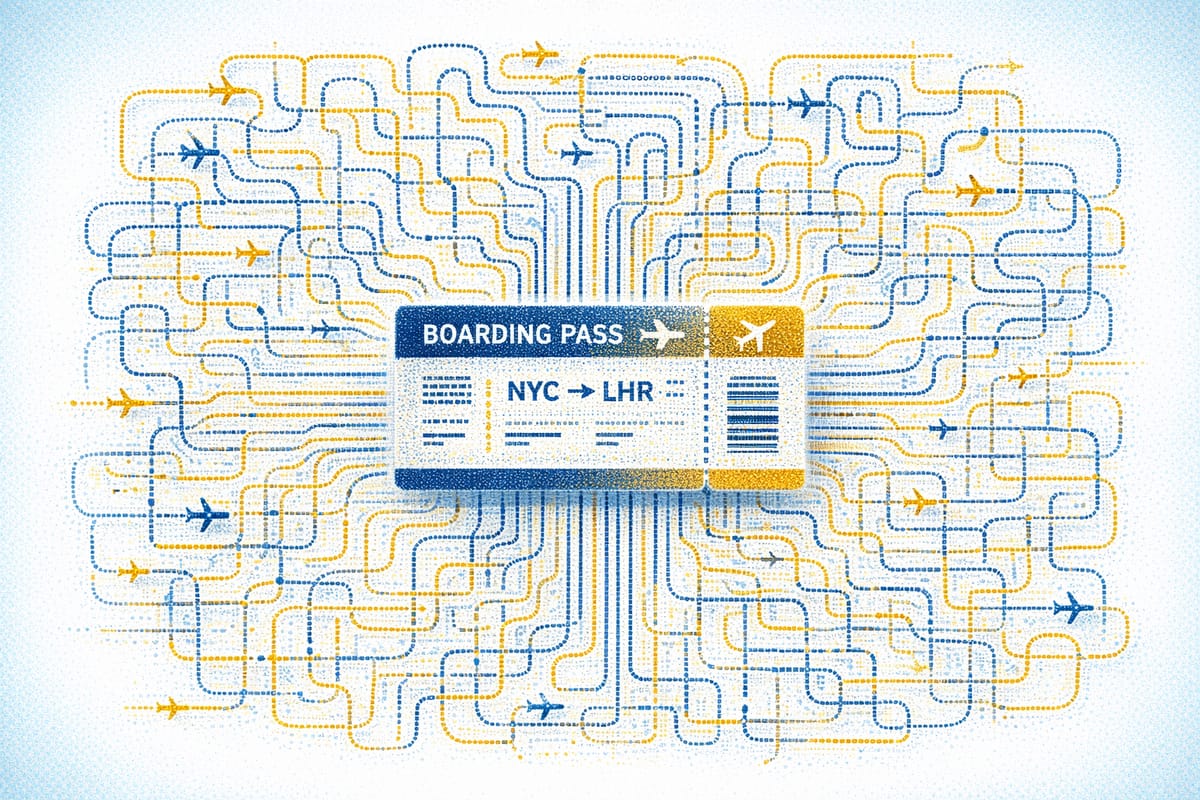
Yes, non-refundable tickets can be rescheduled on major US carriers, as long as you didn't book basic economy. Cancel voluntarily, and airlines usually hand you a travel credit rather than a cash refund. Changing a flight means paying the fare difference; canceling leaves you with a credit. That mix-up between rebooking and canceling a non-refundable airfare costs real money the first time a client meeting moves.
More than a third of business travelers had a trip disrupted last year, and disruption costs run about 4% of total travel budgets.
The core trade-off: non-refundable saves cash at booking but locks any change value into expiring airline credits, while refundable costs more upfront and keeps cash refundable to your card if plans move.
When Non-Refundable Tickets Can Be Rescheduled
Standard non-refundable main cabin tickets usually stay changeable. American, Delta, and United dropped standard change fees on standard main cabin fares for domestic travel, and other major carriers follow suit. If the new flight costs more, you pay the price gap.
If the new flight costs less, the difference stays with the airline as a credit. Rebook a $500 United flight at $450 and you're holding a $50 United credit. Basic economy plays tighter: at United, you cancel and rebook for a partial credit minus a fee.
One cash refund window still applies. For tickets bought direct at least 7 days before departure, federal rules require airlines to offer either a penalty-free 24-hour cancellation with a full refund or a 24-hour hold at the quoted fare. Airlines pick which one, so check yours before you assume you can cancel. The refund covers any fare type for direct bookings; online travel agency tickets play by different rules.
When the Airline Owes You a Cash Refund Regardless of Fare Type
DOT rules effective October 28, 2024 require automatic cash refunds when the airline cancels or significantly changes your flight and you decline the rebooking. Significant means a domestic departure 3+ hours earlier or arrival 3+ hours later, an international departure 6+ hours earlier or arrival 6+ hours later, an airport change, extra connections, or a downgrade.
The rule applies no matter the cause, weather included, and no matter your fare type, with card purchases refunded within 7 business days. Move the trip yourself, and you're back to fare differences and credits.
What Non-Refundable Fares Cost Business Travelers Beyond the Ticket Price
At booking, the lower non-refundable airfare can hide costs that decide whether the savings actually hold up.
Travel Credits Expire
Voluntary-cancellation credits typically start counting down from the original purchase date or the airline's ticketing/issue date. Delta eCredits expire 1 year from original ticket purchase date. JetBlue travel credits last 12 months from original ticketing date, Alaska credits last 1 year from the original booking date, and American Flight Credit travel must begin within 1 year of original ticket issue date. United credits run 1 year from date of issuance.
American Trip Credit is valid until the date listed on the credit, and American Travel Voucher expires 1 year from date issued. Delta tickets are nontransferable. Southwest's Transferable Flight Credits, on non-Basic fares, can move to another Rapid Rewards member once, full amount only. American's Trip Credits can be used by the holder for anyone.
Pricier Flights Cost the Difference
"No change fee" doesn't mean free to change, it just means the airline drops the flat penalty. You still pay the difference between your old fare and the new one, and last-minute fares are almost always higher. Advance-purchase fares booked 14–20 days out run 24% cheaper than fares booked inside a week; 7–13 days out, 9% cheaper. Move a trip closer to departure on a busy route and that fare jump alone can cost more than the refundable premium you skipped at booking.
No Cash Back on Price Drops
When the fare falls and you've booked a non-refundable, a credit is usually the best you'll get. Basic economy is even tighter: no repricing, and canceling costs a fee against whatever credit is left. That gap hurts most after booking, when a refundable ticket can still turn a lower fare into cash.
If you're on a refundable fare, a tool like Otto the Agent can watch the price for you and flag a drop. One tap to confirm, and the original ticket is canceled and rebooked at the lower fare with the refund going back to your card. Book non-refundable and you leave that lever on the table.
Disruptions Add Up
More than a third of business travelers faced a cancellation in the past year, and disruption costs run about 4% of total travel budgets on average. That's the risk you trade against the refundable premium you skipped at booking. One rebooked trip on a non-refundable can wipe out the savings from several booked as planned.
When Non-Refundable Makes Sense, and When It Doesn't
Choose based on whether the dates hold and whether you'll actually use the credit before it expires.
Book Non-Refundable When the Schedule Is Locked
A confirmed board meeting or a conference with fixed dates is where non-refundable pays off, because the trip happens as booked and the savings are real. The basic-economy exception still matters here; it gives up the change rights that make non-refundable workable. Non-refundable is strongest when you know the traveler will fly the same carrier again if a credit remains after a voluntary cancellation.
Book Refundable When Anything Could Shift
Client meetings and return dates shift with negotiations. Refundable fares fit those trips. They also fit any trip on a carrier you rarely fly, where the credit would expire unused. Book refundable for trips scheduled well ahead of departure when the dates could still move and the fare with them. Refundable fares refund cash to your card and cap your exposure to late rebooking costs.
Protect Cash After Booking
Once plans start moving, the fare label matters less than what happens to your cash after checkout. Refundable fares keep the cleanest path back to your card; non-refundable fares turn changes into airline balance management.
Refundable fares work better with post-booking price monitoring. On flights booked through Otto, you decide whether to take the lower fare when Otto flags it, so a fare move after checkout can put money back on your card. Non-refundable fare moves just keep creating expiring airline credits. Start with Otto to book refundable flights and get cash back when prices drop after you confirm.
FAQ
Can you reschedule a non-refundable flight?
Yes, when the ticket rules allow changes on most standard main cabin fares. Basic economy and United's Base Polaris fare are the main exceptions; both bar changes.
What happens if you cancel a non-refundable ticket?
The ticket value becomes a travel credit, and you need to cancel before departure because a no-show forfeits it. Expiration depends on the carrier and credit type: Delta eCredits expire 1 year from original ticket purchase date, JetBlue travel credits last 12 months from original ticketing date, and American Flight Credit travel must begin within 1 year of original ticket issue date.
Does the 24-hour cancellation rule apply to non-refundable tickets?
Yes. Airlines must offer either a penalty-free 24-hour cancellation with a full refund or a 24-hour fare hold. It covers every fare type, including basic economy, on tickets booked at least 7 days before departure and bought direct.
Can the airline keep your money if they cancel the flight?
No. When the airline cancels or significantly changes your flight and you decline the rebooking, DOT rules require an automatic cash refund, non-refundable fares included. Significant changes include a domestic departure 3+ hours earlier or arrival 3+ hours later, and an international departure 6+ hours earlier or arrival 6+ hours later.
Is there a way to get cash back if a flight price drops after booking?
Only on refundable fares, apart from the first 24 hours after booking, when any fare type can be canceled for a cash refund and rebooked at the lower price. For refundable flights booked through Otto, you confirm the lower fare before the cash refund lands on your card.
Can a non-refundable ticket be transferred to another person?
Usually no. Most major airlines tie the ticket to the original traveler's name and don't allow transfers. Southwest is the exception on non-Basic fares: its Transferable Flight Credits can move to another Rapid Rewards member once, for the full amount only. American's Trip Credits stay with the holder but can be used to book travel for anyone. If you no-show, the ticket value is typically forfeited, so cancel before departure to preserve any credit.